
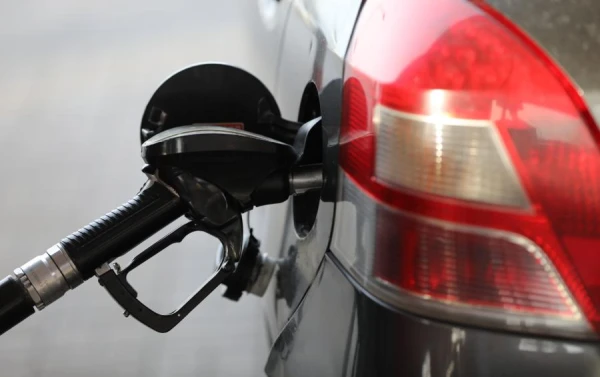
How is the purchase cost of fuel determined?
Global oil prices continue to rise, and along with them, fuel prices are increasing. The cost of fuel at gas stations in Latvia has already approached the levels of 2022, that is, after the start of the full-scale war in Ukraine.
The Consumer Rights Protection Center has been inundated with questions from outraged residents. A common question is: why have fuel prices increased so rapidly, given that fuel for gas stations was likely purchased before the crisis in the Persian Gulf, meaning at 'old' prices? Here’s what Alexey Shvedov, the strategic director of SIA Kool Latvija (a gas station network in Latvia), explained in an interview with bb.lv:
"Let’s start with the theory. The purchase price for fuel retailers is determined by a pricing formula (the so-called Platts quotation). And it is this that determines the price. On the morning of March 10, the last Platts quotation for March 9 was known, which is determined the evening before at 18:30 - the price of diesel fuel is fixed.
If we compare it with the quotation from February 27, before the acute phase of the conflict, we get the following value: diesel fuel on the world market has increased by $424, or 56 percent more, while gasoline has increased by almost half as much, plus $227 (31 percent). If we convert the increase to euros per liter, theoretically it’s 40 cents per liter for diesel and about 20 cents for gasoline.
- But fuel wasn’t purchased on March 9; there is fuel that was purchased at old quotations.
"Very good argument! Why does this question arise? There are two nuances here. When we buy according to the formula, the most popular option is the average monthly quotation. Today is March 11, and we do not know what the cost price will be at the end of the month. And the cost must be calculated for the entire month. We are forced to react along with the rest of the market. It’s not about greed; the lower the price, the less money is needed for this business. We are not only sellers but also buyers of fuel. Before the war, a thousand tons of diesel fuel cost $750,000; the same amount a week later was more than a million dollars, and a couple of days later, one million three hundred thousand. This undermines the liquidity of any trader. And money in the financial market is not free. As soon as there is a risk of inflation, all markets, not just oil, think about inflation. And money becomes more expensive; banks also raise rates, and financial institutions assess the markets as well.
Why don’t we lower prices, even though there were stocks at gas stations? But these stocks have an uncertain price. And even if we assume that stocks were created at the end of February, they do not allow for significant accumulation.
And when the price falls, we do not lower prices just as quickly. The explanation is very simple: the fuel business is about risk management. Every trader, if Platts quotations fall, the decision will depend on whether it’s the beginning or the end of the month. If it’s the second half of the month, then it won’t be possible to lower prices. If the first half was very high, then the price cannot be sharply reduced.
And then, prices fall on the exchange markets. But we have physical markets, not exchange ones!"












Leave a comment