Although the majority of society believes that gender equality exists in Latvia, the latest data shows a significant gap between the experiences of women and men. While men are more likely to assess the situation as orderly, women still feel inequality in everyday life — especially in the family and in matters of pay, noted co-founder of "Novatore" Dagniya Leinya in the TV3 program "900 seconds."
Leinya presented the results of the latest "Novatore barometer" — 68% of society believes that gender equality exists in Latvia, however, responses vary significantly depending on gender. "It seems that women are from one planet, and men are from another planet," noted TV3 Leinya.
61% of women believe that inequality still exists, while nearly 80% of men assess the situation more optimistically. When evaluating specific areas — household duties, child-rearing, work environment, and pay — women are more likely to see the "glass as half empty," while men see it as "half full."
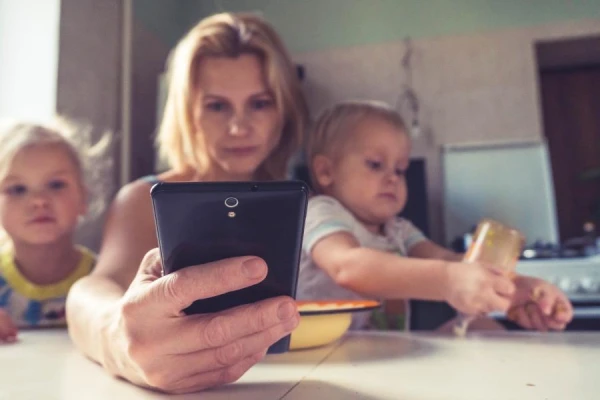
A particularly alarming picture emerges in families. About 70% of women believe that inequality persists in the distribution of household duties and childcare, while men feel this less often.
"The environment that can be regulated by rules and norms is better organized than the private inner life of the family," explained Leinya.
This means that in the public sphere, equality mechanisms work more effectively, while in the private sphere, traditional models, rooted in childhood experiences and passed down from generation to generation, still dominate. Additionally, a third of society has personally encountered gender inequality in the past two years, and this experience is reported more often by women.
The situation in the labor market is gradually improving — the gender pay gap in Latvia has narrowed to about 14%. However, the data also reveals differences in ambitions.
Both women and men believe that a monthly net income of about 2300 euros is necessary for a full life, however, after the age of 40, the desired pay level for women decreases to about 2100 euros, while for men it increases to about 2800 euros.
"Women have become bolder," acknowledged Leinya, however, childcare and household duties often mean compromises in career and income. This chain of interconnected factors — self-esteem, role in the family, and labor market realities — continues to sustain the pay gap and opportunities between genders.