Lawyer Yuri Sokolovsky publishes useful information on his Facebook, this time about the verification of bank data by the SRS.
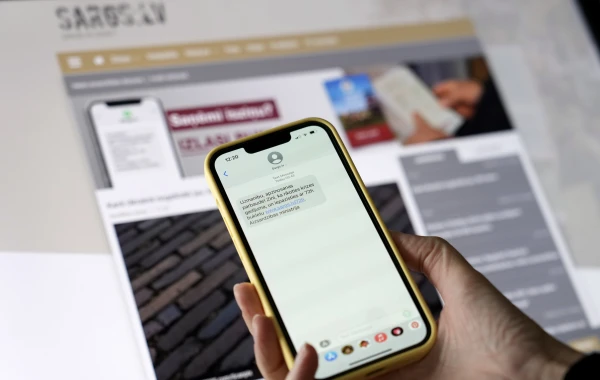
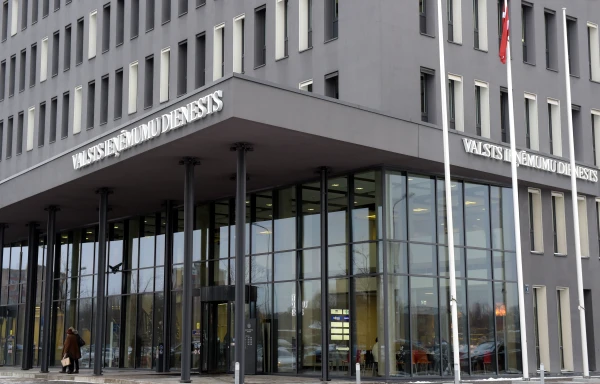
“Recently, many residents of Latvia have received or may soon receive letters from the State Revenue Service regarding the verification of bank data. Let me remind you on what basis the SRS makes these mass requests.
According to Article 22.3 of the Law on Taxes and Duties, banks and payment service providers must report annually by February 1 about clients who are residents of Latvia if:
-
The annual turnover in accounts exceeds 15,000 euros. This refers to the total amount of incoming or outgoing payments within one bank (transfers between one’s own accounts in the same bank do not count). The SRS is informed of the following: name, surname, personal code, annual turnover, and account balance at the end of the year. (That is, initially, the SRS does not see the details of the transfers).
-
Cash deposits exceed 7,000 euros. If the total amount of cash deposited through ATMs or the bank counter for the year reaches this threshold.
It is worth remembering that if a person transfers money between their accounts in different banks (for example, from Swedbank to Citadele), banks will see this as an incoming/outgoing payment, and it will be included in the turnover calculation in both.
The consequence of all this information sent is the SRS's campaign to check for discrepancies.
Based on the analysis of the received data, the SRS periodically sends letters to those [individuals] who have significant discrepancies between their officially declared income and the turnover in their bank accounts.
They primarily check those whose difference between bank turnover and declared income is 20,000 euros or more.
If you have received such a letter and if the money in the turnover is not taxable income (for example, transfers from relatives for household management or transfers between one’s own accounts in different banks, etc.), it is necessary to submit an explanation in free form through the EDS system.
Letters may also be received by Latvians who have lived abroad for a long time if they have maintained their status as tax residents of Latvia or if their financial activity in Latvian banks has raised questions with the data analysis system.
The SRS keeps the information received from banks for five years.”