
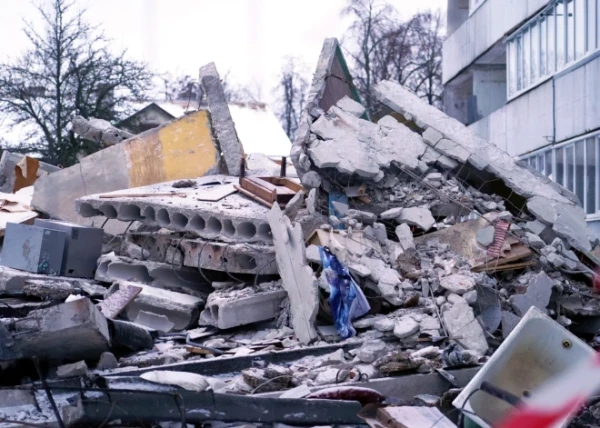
The gas explosion in Riga, on Bauskas Street, has reignited the discussion about safety and the future of gasification in residential buildings. Developers note: new projects in Riga are transitioning to electric solutions, reducing risks and dependence on fossil fuels.
Despite the fact that gas connection is no longer considered a standard solution in new multi-apartment projects, residents interested in purchasing an apartment still often ask about the possibility of gas supply in the kitchen, said Kaspars Ekša, head of sales and marketing at the developer Bonava Latvija, to the LETA agency. The recent gas explosion on Bauskas Street in Riga has once again brought this issue to the forefront, highlighting both safety risks and a clear industry shift towards safer and more sustainable solutions.
In new construction in recent years, the trend is clear: in Riga, new apartment buildings are predominantly connected to a centralized heating system, and electric induction stoves are provided in kitchens. Ekša explains that this movement is not only a technological or safety-related issue — it is also a conscious choice to reduce dependence on fossil energy resources, including natural gas of Russian origin, and to strengthen energy independence, which has become a significant aspect of security in recent years.
At the same time, Ekša acknowledges that the habits and perceptions of residents do not always change as quickly as technology. Experience shows that people interested in purchasing an apartment in a new project still often inquire about the possibility of connecting a gas stove for cooking. "Much of this is a matter of habit stemming from previous residences. However, we do not offer such an option in our new projects. It is important to emphasize that buyers are not actually interested in gas heating in new projects, as they prefer stable and predictable costs, higher safety, and modern, sustainable heating solutions," Ekša explains.
Industry data only confirms this direction, emphasizes Ekša. Statistics from the Riga City Council's heating supply commission indicate that over the past ten years, the number of new facilities choosing natural gas as the primary fuel has significantly decreased. While in 2014, gas was associated with 67% of applications, by 2024 this share has dropped to 33%. At the same time, the share of emission-free solutions — heat pumps and electric heating systems — has sharply increased. Although interest in gas briefly rose in Riga last year after a decline in 2023, the long-term trend remains clear, notes Ekša.
The expert also considers it important to differentiate between new and old housing stock. Ekša points out that in old series multi-apartment buildings, there is often insufficient electrical capacity to fully transition to induction stoves, so gas is still used there as a practical solution. In turn, there are no such limitations for new buildings — they are designed with modern engineering infrastructure, taking into account both energy efficiency and safety.
The aspect of safety in construction is critically important, emphasizes Ekša, explaining that in new projects, any possibility of self-activity is consciously minimized to prevent situations that could lead to tragic consequences, as occurred on Bauskas Street. Critical infrastructure — water supply, heating, and electrical networks — is designed to be outside the apartments, located in common technical areas, while only final outputs are accessible in the apartments. Additionally, a significant portion of engineering communications is placed under the floor, making physical access to them much more difficult and significantly reducing the risk of unauthorized or illegal actions with them.
To prevent incidents similar to what happened on Bauskas Street, Ekša believes that the first and most important step is to continue the consistent abandonment of natural gas in new construction, replacing it with safer, more sustainable, and modern solutions. At the same time, educating the public is equally important, clarifying both the risks associated with gas and the advantages provided by alternative energy resources and thoughtful engineering solutions.
It was previously reported that the explosion in a five-story residential building in Torņakalns on Friday, January 2, occurred due to a damaged illegal gas pipeline. As a result, the upper floors of the building and the roof collapsed, residents were evacuated from the house, several people were injured, and two died.











Leave a comment