
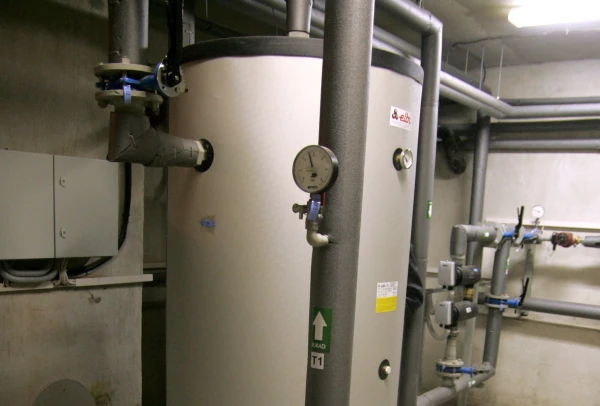
In Riga, the possibility of approving the installation of new gas boilers will remain until 2030, as stated in the amendments to the mandatory regulations "On Territorial Zones for Choosing the Type of Heating and Requirements for Selecting Heating System Equipment," adopted by the Riga City Council on Thursday, reports LETA.
The currently effective regulations stipulated that starting from 2026, the installation of new gas heating systems in Riga would no longer be approved.
As stated in the explanatory report to the mandatory regulations, a directive on air quality and cleaner air for Europe has come into force in the European Union, establishing new air quality standards that are significantly stricter than those in the previous version of the directive.
EU member states are required to transpose the requirements of the new directive into national legislation by December 31, 2026, and ensure compliance by January 1, 2030.
The amendments have been prepared taking into account current information on air quality and air pollution in the municipality of Riga.
As previously reported by the External Communications Department of the Riga City Council to the LETA agency, there are zoning regulations in Riga based on air pollution levels, and since 2019, there have been requirements prohibiting the use of coal for heating in all areas of the city.
Three zones have been established depending on the level of pollution, the number of residents exposed, the nature of land use, and the availability of a centralized heating system.
The first two zones are defined in the city center and its immediate surroundings — Teika, Chiekurkalns, Pardaugava, Agenskalns, Bieriņi, Atgāze, and other areas. The third zone is established in the rest of Riga.
The regulations prohibit the installation of heating systems using coal, lignite, peat, and liquid fuels, including diesel.
Residents who are building new buildings or replacing heating boilers will feel the changes. Priority will be given to centralized heating or emission-free heat sources.
As the municipality explains, the city has set goals for improving air quality and mitigating the effects of climate change. To avoid unplanned replacement of already installed devices, the transition to renewable energy resources will be carried out gradually.












Leave a comment