Residents of Latvia drink excessively, the alarm signal did not reach everyone, peace in Ukraine is postponed... We present the traditional weekly roundup of news that did not go unnoticed.
Shall we go to the ice rink? We have to!
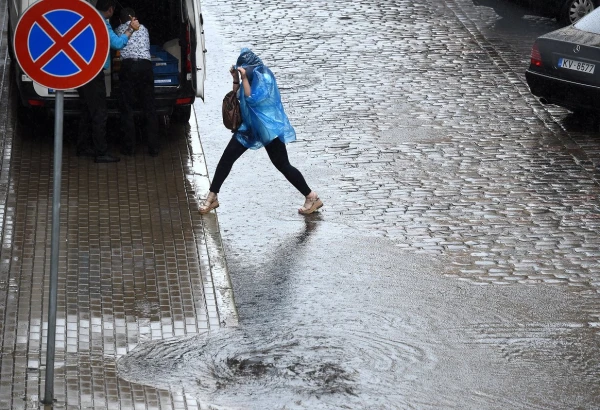
On Saturday, Latvia, including Riga, was under the grip of ice. Wet snow and rain at zero degrees turned streets, yards, and sidewalks into a solid ice rink.
Officially, the Riga City Council reported early in the morning that since the night, roadways have been treated with anti-icing mixtures, dozens of units of equipment are working, and mobile teams are treating sidewalks in the historic center. However, in reality, this day became a series of falls, slips, and nervous messages on social media for many residents.
The Trauma and Orthopedics Hospital reported a sharp increase in "ice" injuries, especially in the wrist, ankle, knee joints, as well as hips and hip joints. Most often, these are fractures, sprains, and bruises. They are mainly caused by slippery streets.
On Saturday, 142 patients were admitted to the emergency room, of which 24 were hospitalized. By midday Sunday, 69 patients had already arrived at the emergency room, of which 13 were hospitalized. And the registration of new patients continued. The hospital notes that such injuries are particularly dangerous for the elderly, as they are associated with the risk of hip and pelvic fractures. Therefore, elderly people should stay home in such weather.
Addiction: Will you drink?
Thanks to the modest and often criticized workers on the alcohol front in Latvia, our country has entered the top three in terms of alcohol consumption per capita.
In 2023, the annual alcohol consumption per capita in OECD countries averaged 8.5 liters of pure alcohol. In six EU countries, the figure was below the average level, with the minimum recorded in Greece at 6.6 liters.
In contrast, the highest figures were recorded in Romania, Portugal, and Latvia, where annual consumption exceeds 11.5 liters per capita.
Alarm: "unimportant" residents
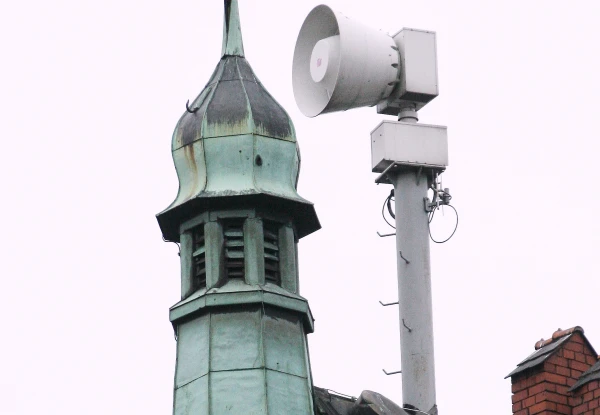
On November 26 from 10:00 to 10:10, Latvia conducted a test of the population warning system. Across the country, alarm sirens were activated for three minutes, and notifications were sent to residents' smartphones via the cellular alert system. But in reality, it turned out that not all residents received the SMS.
Some reported that they received notifications during previous tests, but not today, despite having updated their smartphone software. (Earlier, VUGD urged residents to update their phone systems, as this affects the receipt of emergency messages.)
So, if there is a war or a natural or technological disaster tomorrow, you might not find out about it. But maybe that’s calmer.
Aviation: the air has become cleaner
Latvian airline SmartLynx Airlines (formerly Lat Charter) is ceasing operations. The decision was made after analyzing the financial state of the company and assessing its long-term prospects. It was concluded that the continuation of the company's activities is no longer possible. About 300 employees will be laid off.
As of October 28, the company had a tax debt of 522,126 euros to the State Revenue Service.
Commentators find it suspicious that in October the company changed owners - it was bought by the management of SmartLynx Airlines and a specialized investment fund from the Netherlands.
In 2024, SmartLynx Airlines transported 10.66 million passengers - 62.5% more than in 2023. The company's fleet at the end of the year consisted of 68 aircraft, one more than the previous year. SmartLynx Airlines' turnover in 2023 was 339.027 million euros, with a profit of 11.089 million euros.
Defense: what needed to be proven
According to the results of 2024, the revenue of the 100 largest defense companies in the world from arms sales and military services increased by 5.9%, reaching a record 679 billion dollars, according to a new report from the Stockholm International Peace Research Institute (SIPRI), published on Monday, December 1.
Since 2015, military revenue for companies in the SIPRI ranking has increased by 26%. The authors of the study explain the growth by Russia's wars against Ukraine and Israel's conflict with the Palestinian radical Islamist movement Hamas.
Although the main contribution to global growth came from manufacturers in Europe and the USA, the trend was recorded in all regions, and the revenue of Russian companies in the ranking grew at double-digit rates despite sanctions.
Negotiations: nothing personal, just business
Last week was marked by Donald Trump's "coercion" of Ukraine to peace. Accompanying this was a corruption scandal in Ukraine involving close associates of Zelensky.
The focus was on an American-Russian peace plan of 28 points, which later shrank to 19.
Among the most controversial points:
-
limiting the Ukrainian army to 600,000 troops,
-
transferring part of the territories to Russia,
-
using 100 billion dollars of frozen Russian assets, from which the USA receives 50% of the profits,
-
creating a joint American-Russian investment fund of unspecified purpose.
Europe was simply offered to contribute another 100 billion dollars - without any benefit.
Negotiations involving the USA, Russia, Ukraine, and sometimes the European Union continue in various formats and venues. It seems that not only the sellers of guns benefit, but also the popcorn vendors.
Polish President Donald Tusk: "We know this is not about peace. This is about business."