
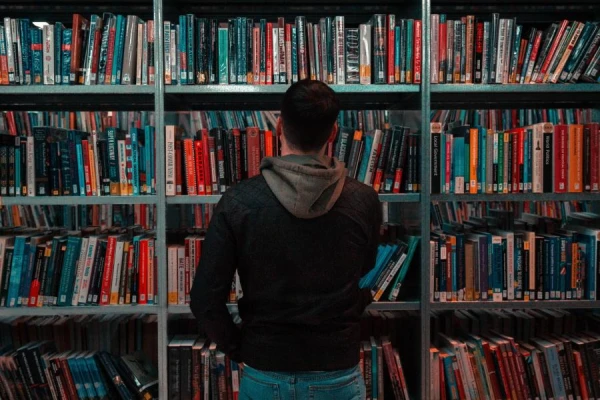
Almost four years have passed since the full-scale invasion of Russia into Ukraine. Nevertheless, Latvian public libraries continue to acquire books published in Russia and Belarus, public media reports.
Although the number of modern books published in Russia in libraries has gradually decreased since the beginning of the war, their acquisition continues, and not all libraries are ready to respond to the call not to buy books from aggressor countries, reports the Latvian Television program "De facto".
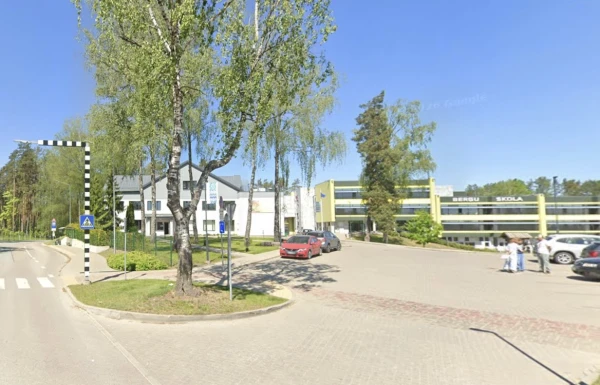
The Adazi Secondary School library acquired the novel by Pavel Volya "Petters. Children of the Mountains," published in Moscow in 2023, on the recommendation of a school teacher as a teaching aid for extracurricular activities in Russian.
"The goal is to preserve the cultural identity of the minority, including the preservation of knowledge about culture, history, and language. And I entertain the thought that this teacher reinforces these programmatic tasks through fiction and the content of this book," explains the decision to purchase the book by the director of Adazi Secondary School, Solvita Vasilevska.
In a review of the book published on several Russian websites, it is stated that the book, aimed at teenagers, "creates a positive image of Russian special services," and the main character is awarded the Order of Saint Vladimir and travels across Russia accompanied by two special service officers - a retired one and an active one.
The director of Adazi Secondary School now acknowledges: "For me, this is, I would say, a kind of lesson, because in everyday life we don’t even think about it. (...) We are against the violence that is happening in neighboring countries, and we do not want to promote any aspects of business in any way. No, in this case, we are thinking only about the education of children."
The Minister of Education and Science, Dace Melbarde, believes that schools should not purchase or use books published in Russia under any circumstances after 2022. The Ministry of Culture's call to cease any cooperation with Russia was disseminated in the internal communication network of libraries soon after the war began. New releases from Russian publishers gradually decreased on the shelves of Latvian libraries, but did not disappear.
For example, the Latgale Central Library conducted an assessment and sorting of its collection. It no longer purchases the latest original literature created in Russia but continues to acquire translations of foreign authors published in Russia. Anna Pakere, deputy head of the Latgale Central Library: "We saw everything, heard everything, understood everything, and we needed to figure out what to do next. Everything happened gradually, not quickly. I would be lying if I said that we suddenly changed something very quickly. No, but now a lot has changed already.




Leave a comment