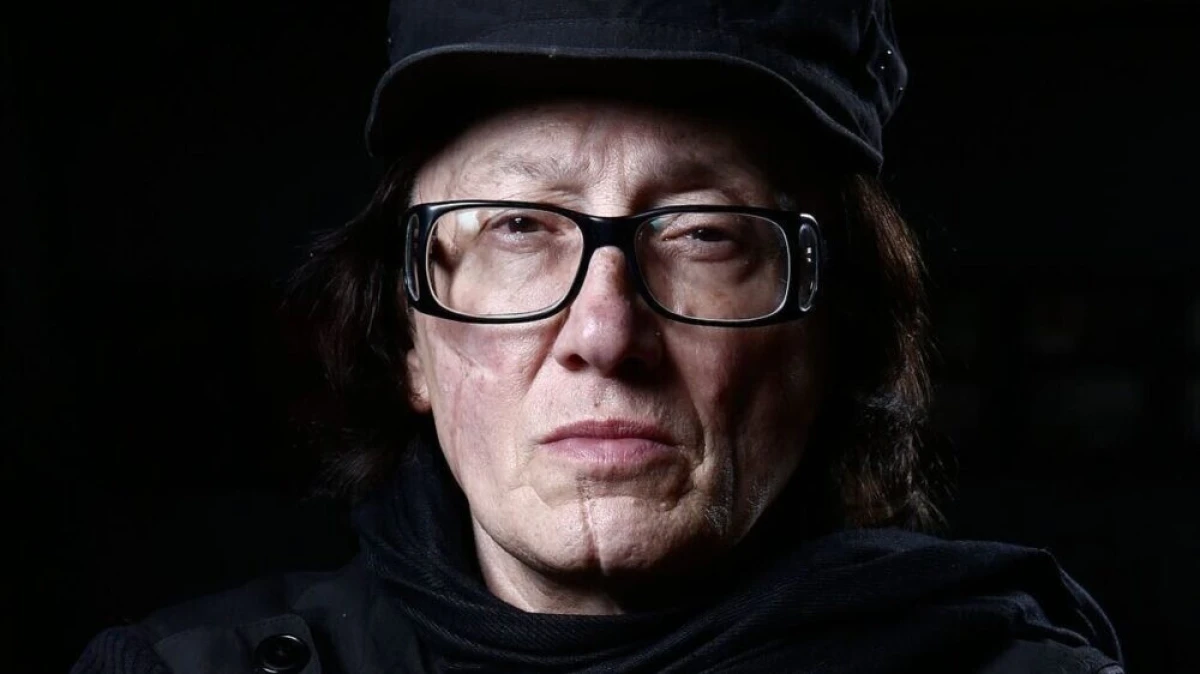
The facts here are extremely expressive: psychiatric examination, forced expulsion from the country, pressure from the KGB.
Mikhail Shemyakin presented his book "My Life: Before Exile" at the Manhattan restaurant "Russian Samovar." Guests said: "Legendary 'Samovar,' legendary artist." And this is truly so.
This English-language edition of the biographical book "My Life: Before Exile" was released two years ago. The fate of the master was not easy: he endured the difficult post-war Soviet years. But the main thing is that he never sought an easy path. Moreover, he does not seek it even today: despite his well-deserved fame, financial stability, recognition, fans, and, of course, critics, his work still stirs emotions and provokes debate.
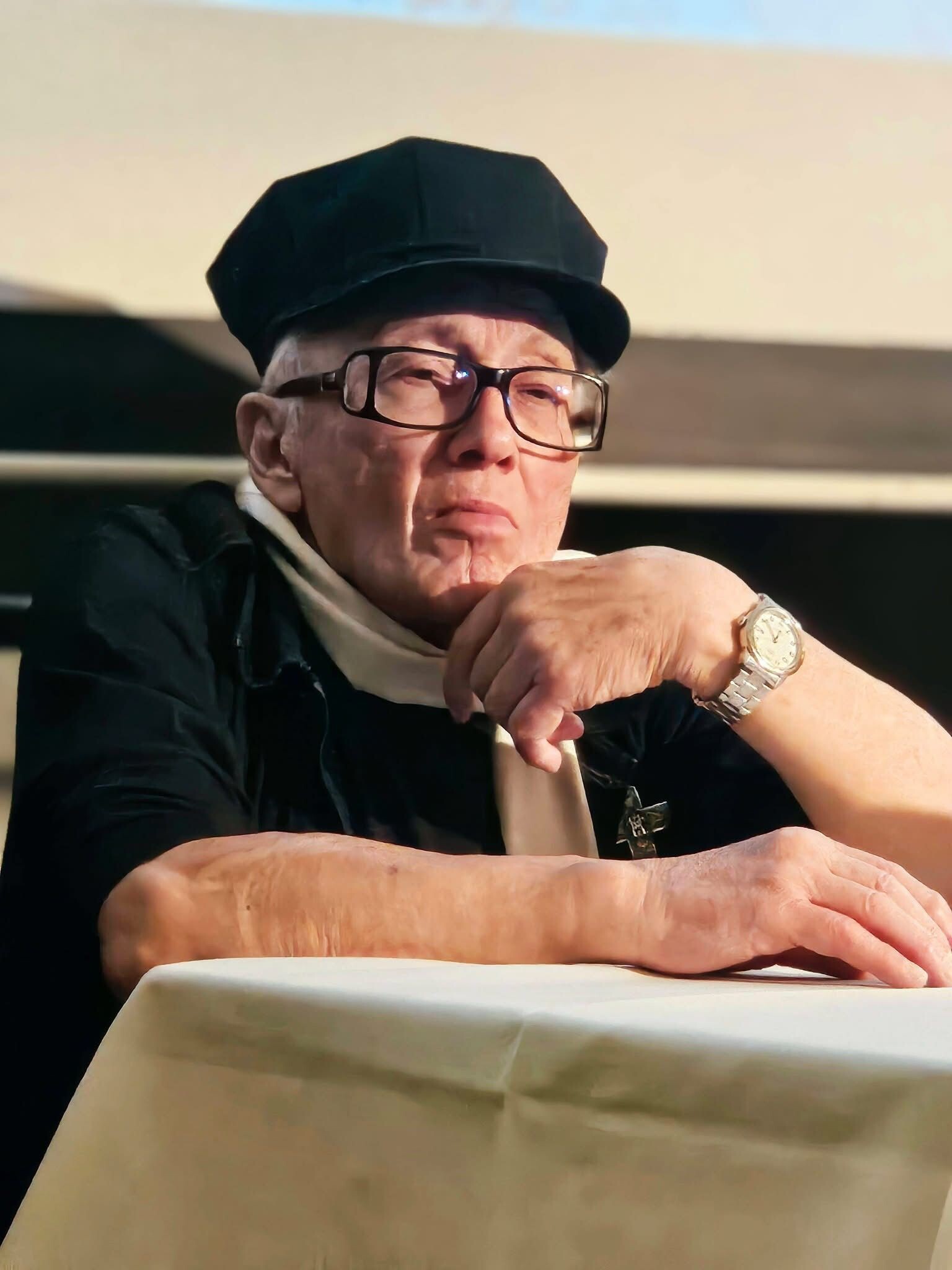
Mikhail Mikhailovich Shemyakin was born on May 4, 1943, in Moscow. His book can be called autobiographical. But the autobiography of an artist and thinker, working in the genre of fantastic realism and the metaphysical syntheticism he created, cannot be reduced to a simple list of facts. Although the facts themselves are extremely expressive: psychiatric examination, forced expulsion from the country, pressure from the KGB and Soviet cultural officials. All this had to be endured — and to become a world-renowned artist. To understand how this became possible, the book is worth reading carefully.
Those who have already read the book agree: it is not just memoirs, but a true adventure novel. It has a dramatic plot, vivid characters, reflections on art and creativity, humor, and unexpected twists. No less interesting are the stories of the artist's family, post-war Soviet Union, and post-war Germany, where part of his childhood took place.
"If you are too lazy to read — there are pictures everywhere. It's roughly like a comic: you will see me as a child, see how I misbehaved in childhood. And what is not very clear to the American and Western European reader — are the drawings from the insane asylum where I was placed for compulsory treatment when I was arrested. I remember this unique institution very well. <…> And there were interesting madmen: I made their portraits and small chapters about what they were like," the author himself recounts.
Critics write that fate brought Shemyakin together with unusual people: Old Believers, wandering monks, nonconformist artists, and iconic figures of the Soviet religious underground. For millions of Soviet people, such encounters were unthinkable — many lived their lives without ever knowing about the existence of this world. For Shemyakin, however, this was not a coincidence, but a manifestation of character: a desire to seek the unusual, to try it on himself, to understand and remember.
To remember — so that one day he could feel and create an image, find its color and texture, build an exact composition, and show it to the viewer. Those who understand will find themselves on this side, those who do not understand will calmly move on, leaving no trace. Such is the design and divine providence: for those who are capable of seeing to be born. The search for these boundary phenomena is dedicated to a significant and extraordinarily interesting part of Mikhail Shemyakin's work.
<iframe width="560" height="315" src="https://www.youtube.com/embed/JGAsCLNA3DE?si=y3xOWnrseF2MbsCK" title="YouTube video player" frameborder="0" allow="accelerometer; autoplay; clipboard-write; encrypted-media; gyroscope; picture-in-picture; web-share" referrerpolicy="strict-origin-when-cross-origin" allowfullscreen></iframe>