In spring, many try to improve their diet: adding more vegetables, greens, and seasonal products. However, not only the choice of food is important, but also its combination. Some substances work better in pairs, while without "support" they may be absorbed significantly worse.
Carrots + Ghee or Olive Oil
Bright vegetables — carrots, pumpkin, sweet potato — are rich in beta-carotene, which is a precursor to vitamin A. However, this element is fat-soluble, so it is absorbed poorly without fats.
Adding ghee or olive oil makes the dish more beneficial. For example, baked vegetables with oil help maintain vision, immunity, and skin condition, which is especially important after winter.
Leafy Greens + Avocado or Seeds
Spinach, arugula, parsley, and kale contain vitamin K, magnesium, and antioxidants. However, some of these substances require fats for full absorption.
If you add avocado, seeds, or a quality dressing to the salad, the body will gain more benefits. Additionally, this combination makes the dish more filling and helps stabilize blood sugar levels.
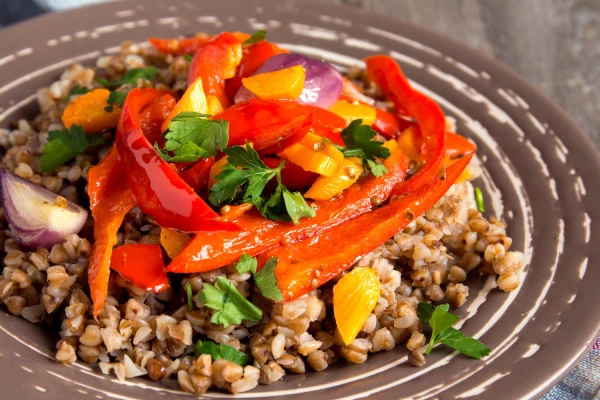
Bell Pepper + Lentils or Buckwheat
Plant sources of iron are absorbed worse than animal sources. To improve this process, it is worth adding vitamin C.
Sweet pepper, greens, or lemon juice help increase iron absorption. For example, lentils with greens or buckwheat with vegetables become not only filling but also a more functional dish.
Fish + Greens and Lemon
Fatty fish contains vitamin D, omega-3, and protein. These substances are especially important for the body's recovery after winter.
Adding greens and lemon improves digestion and helps the body utilize beneficial fats and vitamins more effectively.
Eggs + Stewed Vegetables
Eggs are rich in protein, fats, B vitamins, and carotenoids. When combined with vegetables, their benefits are enhanced.
Fats from the yolk help absorb fat-soluble substances from vegetables, and the combination provides a lasting feeling of fullness and supports metabolism.
Dairy Products + Fiber
The state of the intestines directly affects the absorption of vitamins. Therefore, it is important to maintain gut flora.
Kefir, natural yogurt, or fermented vegetables combined with fiber (chia seeds, flaxseed, vegetables) help improve digestion and increase the effectiveness of nutrition.
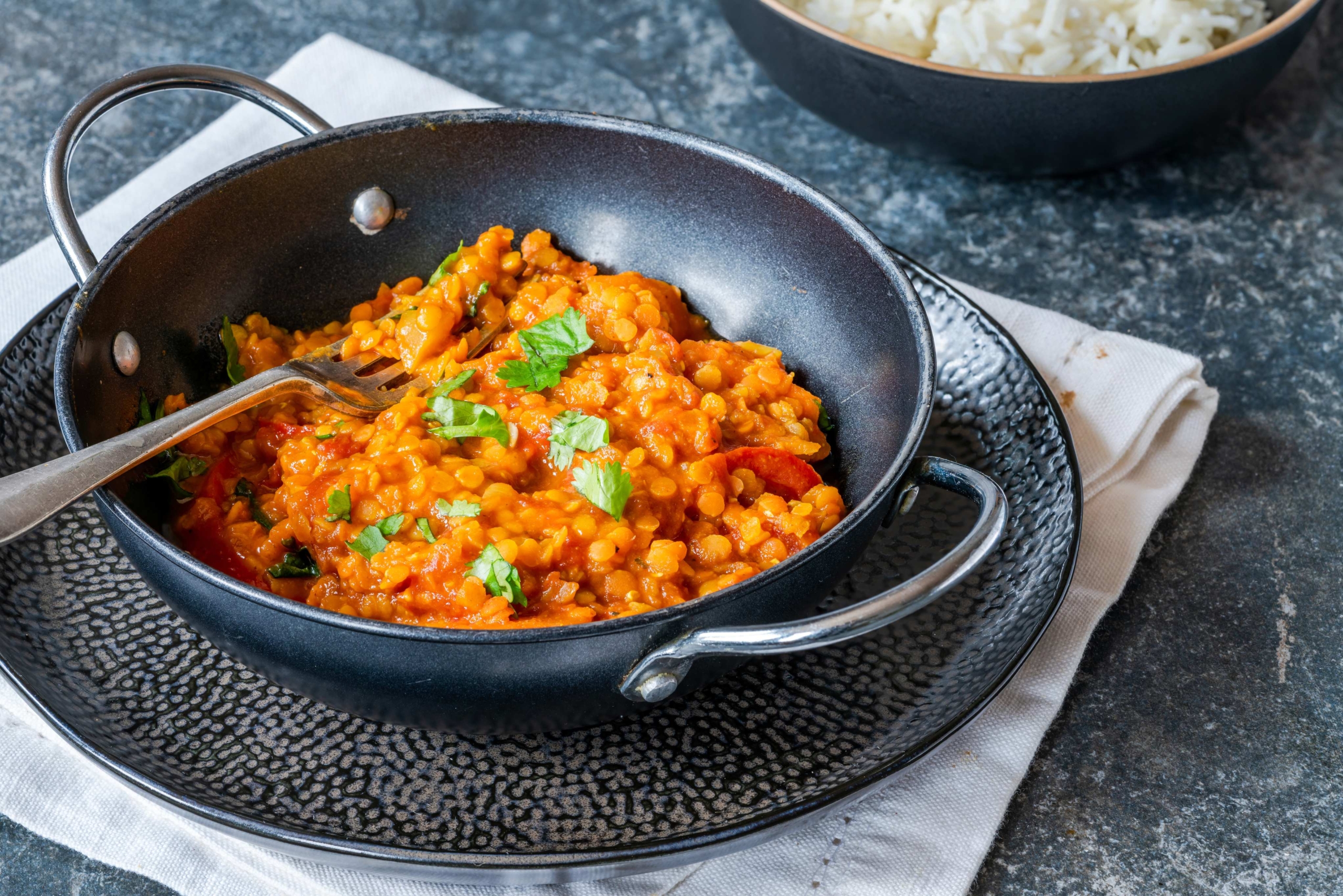
Bonus: Recipe with Red Lentils
The base of the dish is lentils, a source of easy protein, fiber, and a complete set of B vitamins. The dish provides sweetness, satiety, and energy. Spicy herbs add bitterness, which is especially pleasant for the liver and gallbladder.
Variations:
-
If you prefer pumpkin, feel free to use it. It will also be delicious but sweeter and spicier.
-
Add tomato if you tolerate nightshades well when cooked.
-
Instead of cilantro, you can add thyme, basil, or dill.
Ingredients:
red lentils — 100 g; medium zucchini — 70 g; a small tomato — 1 pc; coriander — a small bunch; ghee or olive oil — 2 tbsp; salt and spices: cumin (mix), curry — a pinch.
How to Prepare:
Soak the lentils for 30-60 minutes beforehand. Wash, peel, and cut the zucchini into small cubes. In a saucepan, heat the oil, add the spices, and let them "unfold" for about 30 seconds. Add the vegetables and lentils. Pour in enough water to cover the ingredients. Cook over medium heat for 7-10 minutes. Add salt. Rinse the greens, chop, and add to the lentils. Serve with browned broccoli or fresh celery.
Tip
-
If your digestive system is sensitive or not used to legumes, here’s a safeguard against bloating:
-
Cook with fermenting spices: fennel, black cumin, and in the cold season — with asafoetida.
-
Eat with a sour taste: lemon dressing or tomatoes. This way, protein and iron will be better absorbed.