

It’s not about age or genes, says the specialist
Why do some people remain active even after 60, while others lose interest in life within a year? Psychologist Lachlan Brown believes the reason lies not so much in health or genetics, but in lifestyle and internal orientations.
According to his observations, people who maintain their energy and mental clarity do not give up on three key things — and it is these that support their vitality.
Three Questions That Change Everything
For those who feel a decline in strength, the expert advises starting not with diets and supplements, but with honest self-analysis:
-
Where will I be tomorrow?
-
Who will notice if I don’t show up?
-
What in my life is still unfinished?
The answers to these questions are directly related to levels of energy, engagement, and even health status.
The Reason to Stay 'In the Game'
A sense of meaning and necessity is a powerful factor in longevity. Research shows that people with a clear sense of purpose are less likely to face sleep problems, excess weight, and decreased activity.
Moreover, having a sense of purpose reduces the risk of cognitive impairments, including dementia. It’s not about grand goals — sometimes a simple reason to leave the house, meet people, or engage in an activity is enough.
People Who Are Waiting for You
Social connections play an equally important role. It’s not just about having social interactions, but the feeling that you are needed by someone.
This can be:
-
a regular coffee meeting;
-
a call from a loved one;
-
a neighbor asking where you’ve been.
Research shows that social isolation increases the risk of mortality just as much as harmful habits. Conversely, warm relationships are directly linked to better health in old age.
Unfinished Business as a Source of Energy
Another important factor is having 'open' projects. This can be anything:
-
a garden you want to design;
-
a language you’ve long dreamed of learning;
-
a skill you continue to develop.
Such tasks create a sense of forward movement. When a person no longer has goals, the brain receives the signal: 'the story is over' — and the body begins to slow down.
What’s the Main Conclusion
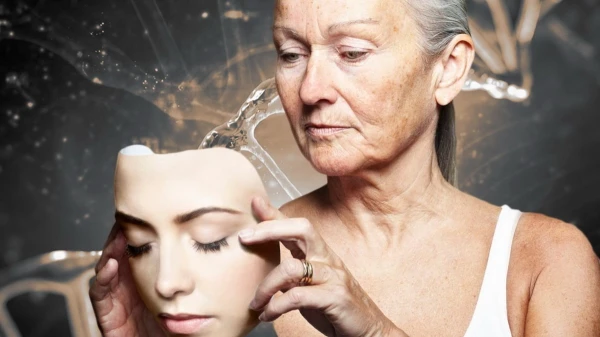
Sudden 'aging' is often related not to age, but to a loss of engagement in life. When goals, expectations, and connections disappear, a person gradually steps out of an active role.
The good news is that this can be changed. It’s enough to restore three pillars in life:
-
meaning and reasons to act;
-
people who care about you;
-
goals you want to complete.
It is these factors, rather than age, that largely determine how long a person remains active, engaged, and alive.








Leave a comment