The find, consisting of more than 2,350 fragments, is the largest collection of its kind in the world.
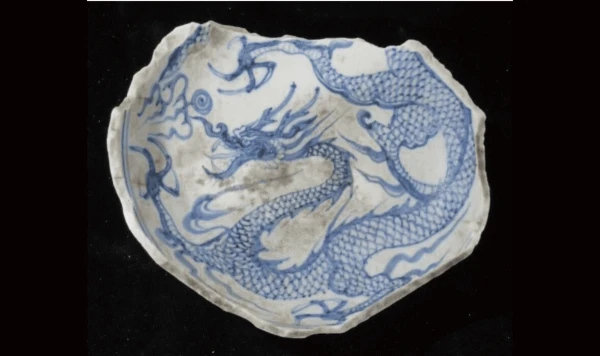
At the entrance to the Singapore Strait, near Pedra Branca Island, archaeologists have discovered the site of the oldest shipwreck in these waters. The vessel, already dubbed the "Sunken Ship of Temasek" (after the ancient name of the island), has yielded a record amount of rare blue-and-white porcelain dating back to the Yuan Dynasty. The find, consisting of more than 2,350 fragments, is the largest collection of its kind in the world. The discovery proves that Temasek was an important center of inter-state maritime trade long before British sailors arrived in the region.
Excavations led by Michael Flecker, representing the Yusof Ishak Institute of Southeast Asian Studies, were conducted under challenging conditions over three years. They allowed for the recovery of at least 3.5 tons of ancient ceramic fragments. Detailed analysis showed that the ship departed from the port of Quanzhou around 1340.
The assortment of goods precisely matched regional demand. Small plates and bowls up to 35 cm in diameter predominated, similar to those previously found in excavations at Fort Canning and along the Singapore River. This indicates that the vessel was likely based in Temasek, and its cargo was intended for the local elite.
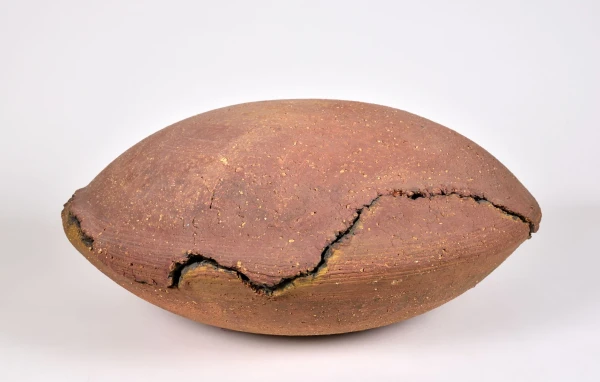
In addition to the famous Jingdezhen porcelain, the finds also included a large quantity of Longquan celadon, fragments of Shufu and Qingbai ware, Dehua vessels, and ceramics from the Fujian region. Unfortunately, the wooden hull of the ship has not survived after 700 years in seawater. The raised artifacts are currently undergoing a mandatory desalination process to remove salt from the glaze and prevent further deterioration. After conservation, they will be displayed in museums in Singapore.