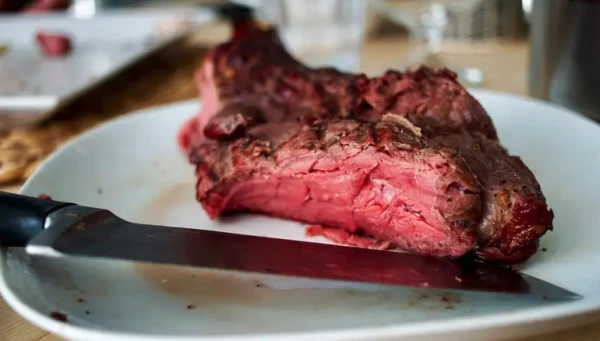
Replacing red meat with white may reduce the risk of diabetes, but the effect depends on the initial level of consumption. This conclusion was reached by Chinese researchers who analyzed data from 12,143 adult participants in the China Health and Nutrition Survey. The results were published in the journal Nutrients.
During the observation period, 687 new cases of diabetes were registered. The analysis showed a U-shaped relationship between the consumption of both red and white meat and the risk of disease: the minimal risk was noted with the consumption of about 75 grams of red meat and 60 grams of white meat per day. At higher volumes, the risk began to increase.
A particularly pronounced effect of replacement was identified in individuals who initially consumed at least 75 grams of red meat per day. In this group, replacing 50 grams of red meat with white meat (poultry or fish) was associated with a 34 percent reduction in diabetes risk. No such relationship was found in those who consumed less than 75 grams of red meat per day.
The authors note that the obtained data call into question universal recommendations for replacing red meat. In their opinion, a targeted strategy may be more effective — primarily for individuals with high consumption levels. However, the study is observational in nature and does not prove causation, but emphasizes the importance of considering individual dietary habits in diabetes prevention.