
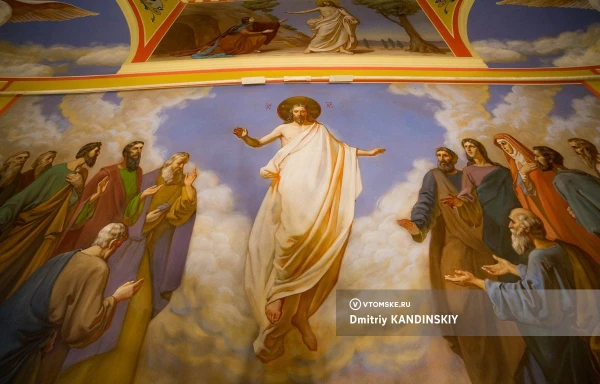
Forgiveness Sunday is an important date in the Orthodox calendar, marking the end of the preparatory week before Lent. The holiday is associated with an ancient tradition of reconciliation and inner purification.
Meaning of the Holiday
In the church calendar, there is no holiday with the familiar name "Forgiveness Sunday". In the Church, this day is called "Cheesefare Sunday". This word means "I leave cheese", that is, "I refrain from cheese". Forgiveness Sunday is the last day of Maslenitsa, when believers are allowed to eat rich foods — eggs and dairy products.
This day has special significance. After the liturgy, priests change from white vestments to black, symbolizing mourning. The coverings on the altar and the sacrificial table are also changed, and the altar curtain is replaced. The evening service takes place in darkness.
After the evening service, a special ritual of forgiveness is held in churches, during which clergy and parishioners ask each other for forgiveness.
On Forgiveness Sunday, a passage from the Gospel is read in all churches, in which Jesus Christ says: "If you do not forgive people their trespasses, neither will your Father forgive your trespasses."
Great Lent 2026: when it will begin, daily food calendar, what can and cannot be done
How to properly ask for forgiveness? Forgiveness Sunday symbolizes not only the farewell to winter but also the tradition of "farewell meals" before Great Lent — a bountiful feast that brings people together. On this day, it is customary to visit loved ones or, if meetings are impossible, to send greetings via phone, messengers, or social media. This custom creates a suitable occasion to ask for forgiveness from those you communicate with.
There are no specific rules or instructions regarding this. There is only one point — to ask for forgiveness sincerely and wholeheartedly. Usually, Orthodox Christians say: "Forgive me!" — and receive in response: "God will forgive, and forgive me too!"
It is believed that forgiveness should be asked for in order to start Great Lent with a clean soul and heart, to focus on spiritual life, and to prepare for the birth of Christ — Easter.
The tradition of asking for forgiveness originated from Egyptian monks. To prepare for Easter, the monks would go alone into the desert for 40 days. Some of them did not return, so before leaving, they would ask each other for forgiveness for all grievances, as if before death.
What should not be done on Forgiveness Sunday? There are no strict prohibitions for this day. The most important thing is that one should not refuse to forgive those who ask for it. It is necessary to sincerely forgive everyone who asks for this. It is considered a bad omen not to forgive someone on this day or to use foul language. People have long believed that such a person will face misfortunes in the coming year.
As with any other church holiday, heavy physical labor, quarrels, and the use of profane language are undesirable.
It should be noted that throughout the Maslenitsa week, it is forbidden to consume meat and alcoholic beverages (except on weekends when it is permissible to drink a little wine).
Weather Signs
If the sky was cloudy and it rained, a mushroom year was expected. The sun and clear sky indicate a hot summer and a bountiful grain harvest, as well as a warm autumn. If on this day the birds fall silent and clouds cover the sun, rich crops are not to be expected. Rooks sit on their nests for a short time and then take off — a sign of cold weather. Seeing a rook sitting on a black knoll is a sign of flooding.













Leave a comment