Tourists can try on traditional costumes and participate in photo walks through the ancient streets of the capital.
In the run-up to the Spring Festival (also known as Chinese New Year), the flow of foreign guests to China has noticeably increased. Tour operators are recording a multiple rise in flight bookings for the holiday period. The heightened interest this year is largely associated with the introduction of a visa-free regime for citizens of several countries.
Guests from abroad can expect a multitude of festive events — from craft fairs to gastronomic festivals. One of the attractions for tourists has become the city of Jingdezhen in Jiangxi Province, where the Taochuan Ceramic Culture Industrial Park operates on the grounds of a former porcelain factory. Here, artisans showcase their work, and visitors can see the process of ceramic production and purchase items made by the masters.
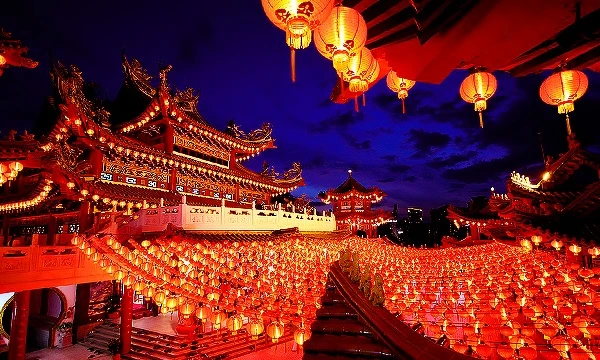
In Beijing, tourists immerse themselves in the atmosphere of ancient China. Here, they can try on traditional Chinese costumes and participate in photo walks through the ancient streets near the Forbidden City. In the southern province of Guangdong, restaurants prepare special dishes for the Spring Festival, and some establishments host performances featuring lion dances. Other major cities in the country also offer festive programs. For example, Shanghai attracts tourists with its signature lantern show in Yuyuan Garden and events on the city's main streets — Nanjing Road and the Bund.
On February 17, 2026, according to the Chinese calendar, the Year of the Horse begins, and not just any Horse, but the Fire Horse. This combination of the sign (Horse) and the element of the year occurs once every 60 years. Thus, the tandem of symbols is quite rare — the previous Year of the Fire Horse was in 1966, and the next will be in 2086.