
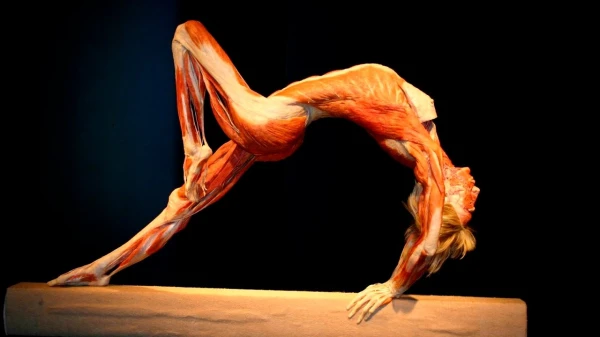
Why do we have an appendix, why are the patterns on our fingers unique, and why does the brain remain the most complex structure in the universe? Despite advances in medicine and biology, the human body still holds many mysteries. Let's explore the most intriguing of them.
Uniqueness Hidden in Details
We tend to think that only fingerprints and the pattern of the retina are unique. However, few know that the pattern on the tongue of each person is also unique. This fact is still being studied and is already being used in experimental biometric technologies.
Appendix: Useless Vestige or Important Defender
For a long time, the appendix was considered a remnant of the past, inherited from our ancestors who consumed coarse plant food. Its removal does not hinder a full life, but modern research has shown that this organ plays a much more important role.
The appendix serves as a kind of reservoir for beneficial bacteria. It preserves unique strains of microflora that help the intestine recover after infections. According to one hypothesis, it also participates in the formation of immune protection, helping the body "learn" to recognize threats.
Why Do Fingers Have a Complex Pattern
Papillary lines are found not only in humans but also in some primates. It was previously thought that they were needed for better grip on objects. However, experiments from the University of Manchester showed that smooth skin holds objects even more effectively.
So why is this relief needed? Scientists suggest that the grooves help drain moisture and enhance tactile sensitivity, allowing for better perception of textures and vibrations. There is still no definitive answer to this question.
Why There Are Four Blood Types
The division of blood into groups is related to antigens on the surface of red blood cells and directly affects the immune response. This distinction formed as an evolutionary mechanism to protect humanity from mass infections.
Research shows that different blood types respond differently to diseases. For example, in COVID-19, a higher risk of complications was observed in people with the second blood type, while the first type often demonstrated relative resilience. Nature has favored diversity over universality.
Viruses — Hidden Allies
There exists a whole ecosystem of microorganisms in the human body, with a total weight that can reach two kilograms. Of this, only about 1% are pathogenic.
Even viruses present in a healthy person's body do not always cause harm. Some of them may participate in regulating immunity and even inhibit the development of more dangerous microorganisms. A significant portion of the microbiome's functions remains a mystery.
The Greatest Mystery — The Human Brain
The brain consists of tens of billions of neurons and hundreds of trillions of connections between them. Its electrical activity surpasses the total signal of all communication devices on the planet, and the speed of impulse transmission is comparable to that of a racing car.
The main mystery lies elsewhere: how does this complex neural network give rise to consciousness, emotions, and the sense of self? Many scientists believe that the answer to this question could be the key to understanding not only humanity but also the very nature of reality.















Leave a comment