
The longest-lived states are not the strongest but the most flexible.
The average lifespan of a civilization is about 340 years. Most states collapse within the first two centuries due to internal conflicts and the obsolescence of institutions. However, history knows unique examples where empires existed for over a thousand years. We will tell you about five states that managed to maintain their structure for dozens of generations.
Pandya Empire (India): ~1800 years
Existed from the 4th century BC to the 16th century AD.
The Pandya dynasty held power in the southern Indian subcontinent for almost eighteen centuries. This is an absolute record among all empires in the history of Earth.
The foundation of their longevity was not an army, but the economy. The Pandyas strictly controlled the Gulf of Mannar and the pearl trade. This was the "oil resource" of antiquity: the demand for pearls in Rome and China was colossal.
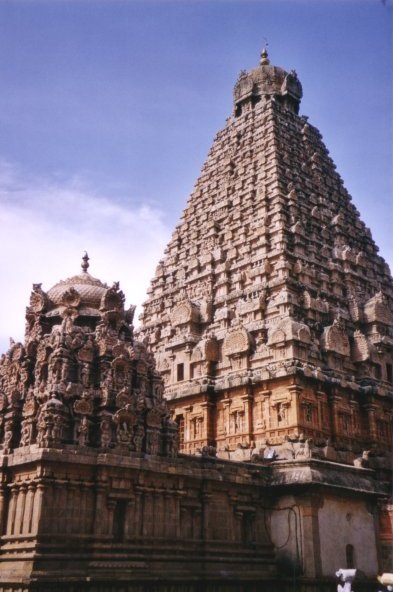
The center of the industry was the port of Korkai, which ancient geographers called the main pearl market in the world. The state used the labor of convicted criminals for extraction, minimizing costs. In return, Roman gold flowed into the treasury. Even during the reign of Emperor Augustus, the Pandyas sent envoys to Rome to cement their status as a trading partner. The dynasty also invested in "cultural capital." Patronage over literary academies — Sangams — created such a bond with the population that the dynasty was revived even after military defeats. The end of the empire was brought about not so much by enemies as by internal strife. In the early 14th century, a dispute among heirs to the throne provoked an invasion by the Delhi Sultanate. This destroyed centralized governance. The Pandyas finally disappeared in the 16th century when the new Vijayanagara Empire restructured the administrative system of the south for land defense, making the Pandya maritime strategy unnecessary.
Venetian Republic: 1100 years
From 697 to 1797.
Venice lasted for over a thousand years, remaining an island of stability in a war-torn Europe. The Venetians transformed the republic into an efficient trading corporation. The system was designed so that no one person could usurp power. Although the head was a doge, his powers were strictly limited by the Great Council and the Council of Ten. The procedure for electing a doge was deliberately complicated by numerous lotteries. This made bribing electors and pre-election collusion impossible.
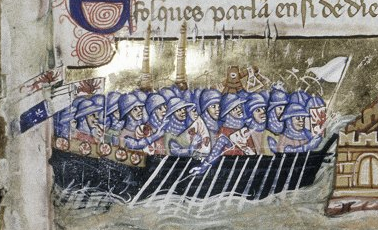
Venice invested in "liquid wealth" — the fleet and logistics. The state Arsenal was the largest factory of the Middle Ages and allowed for the rapid construction of ships. Citizens played an important role — a class of professional managers who managed the bureaucracy. Patricians ruled, while citizens administered, ensuring stability under any authority. The republic was doomed by the shift of trade routes to the Atlantic and the rise of Napoleon. The old fleet could not withstand the French army. In 1797, the Great Council voted for self-dissolution to save the city from destruction. The last doge simply removed the symbols of power.
Eastern Roman Empire (Byzantium): ~1058 years
From 395 to 1453.
Byzantium withstood waves of barbarians that destroyed the Western Roman Empire and lasted another thousand years.
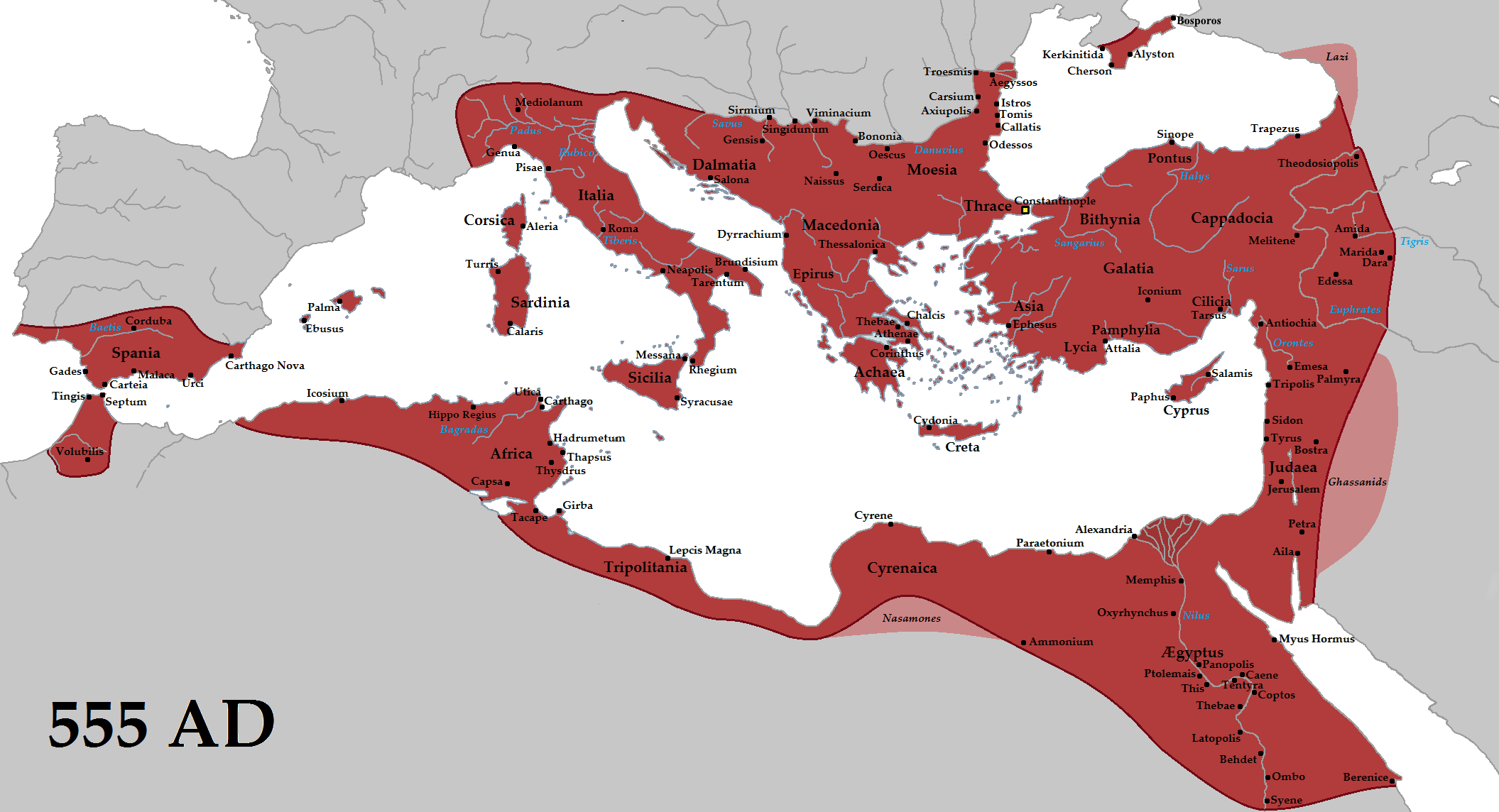
The Byzantines were the first to understand that destroying an enemy often only frees up space for a new, more dangerous one. Therefore, they preferred to pit opponents against each other. The empire's arsenal included:
-Golden solidus. A stable currency used to bribe entire armies of barbarians.
-Diplomacy. Marital alliances and the granting of lavish titles to leaders turned enemies into vassals.
-Intelligence. A powerful spy network allowed for strikes on weak points.
When it came to war, technology saved the day, such as the famous "Greek fire," which saved Constantinople from the Arab fleet. The system was undermined by the Fourth Crusade of 1204, which devastated the economy. The empire lost control over trade, ceding it to the Italians. The final blow was dealt by Sultan Mehmed II in 1453. He used artillery to breach the walls of Constantinople, which had been considered impregnable for centuries.
Silla (Korea): 992 years
From 57 BC to 935 AD. The Kingdom of Silla managed to unite the Korean Peninsula and create a unique culture that lasted nearly a millennium. The stability of society was ensured by the "bone" (golpum) system — hereditary ranks.
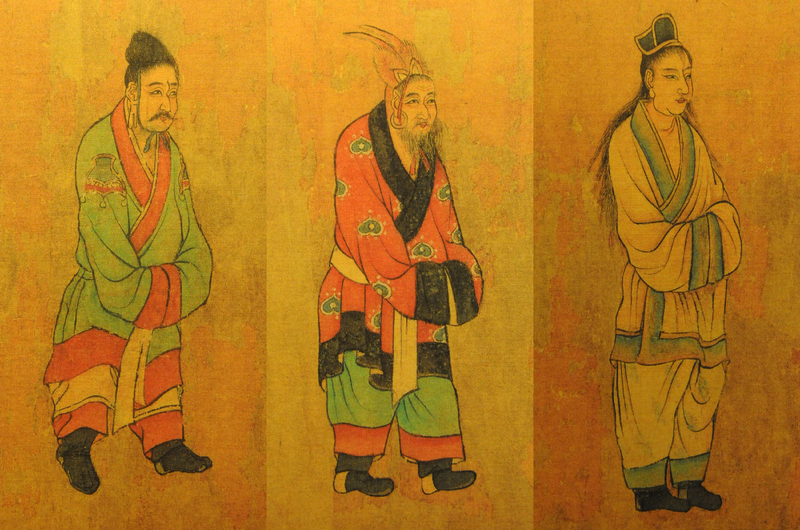
A person's status determined everything: from career prospects to the color of clothing and size of the house:
- "Sacred bone." The highest caste from which kings were chosen. When the male line died out, women took the throne. This fact demonstrated the flexibility of the system, which allowed for the preservation of the legitimacy of power under any circumstances.
- "True bone." This included the elites of conquered kingdoms, integrating them into the governance of the country. The second pillar was diplomacy. Silla formed a military alliance with the Chinese Tang dynasty to defeat rivals and then managed to drive out the Chinese and maintain independence.
The "bone" system eventually became rigid. Intellectuals from the "sixth rank" class saw no prospects for growth and began to support the revolts of local leaders. In 935, the Goryeo state absorbed Silla, offering a fairer meritocratic system.
Holy Roman Empire: 844 years
From 962 to 1806.
French philosopher Voltaire joked that it was "neither holy, nor Roman, nor an empire." However, this "loose" state structure managed to survive many centralized monarchies precisely because of these qualities. Unlike France or England, there was no rigid vertical of power. Authority was distributed among the emperor, electors, the church, and free cities.
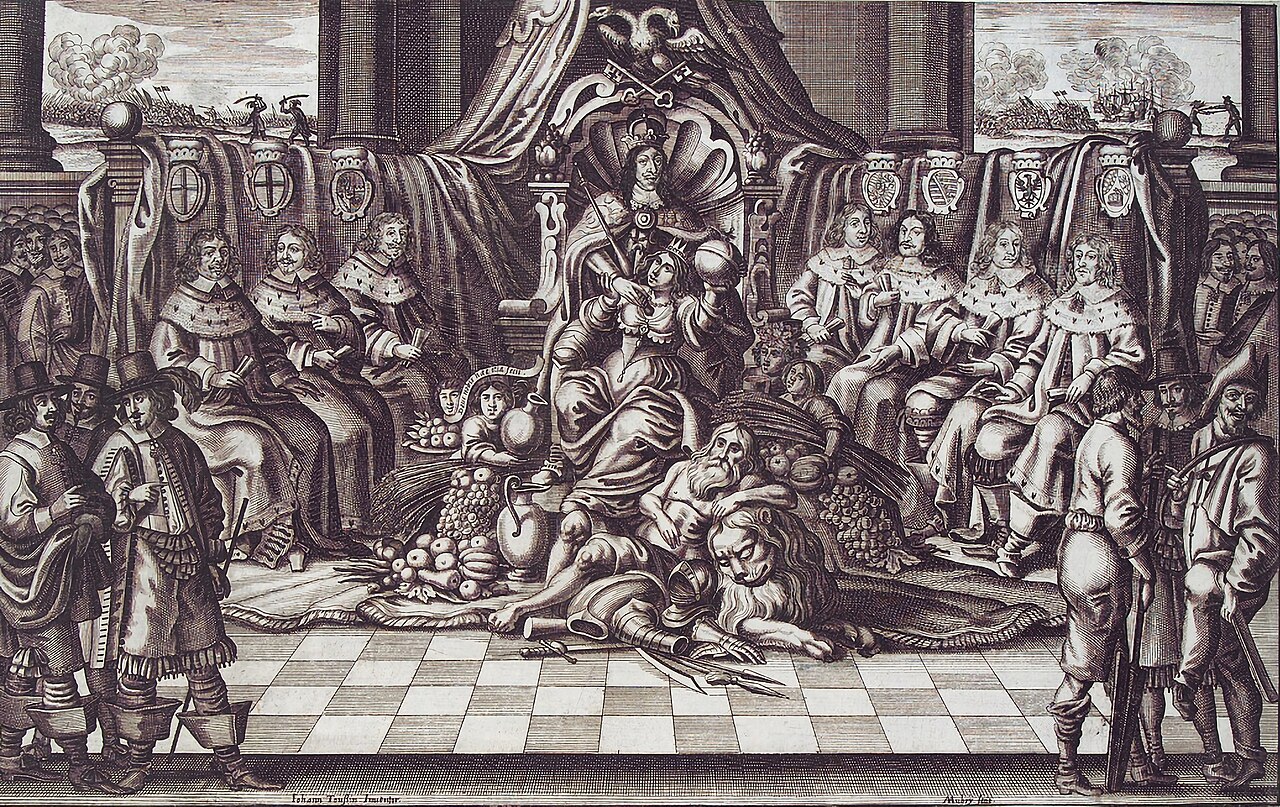
This ensured high resilience: a crisis in one part of the empire did not paralyze the entire system. The emperor was elected by the electors, which saved it from the degradation characteristic of hereditary dynasties. Conflicts were resolved not only on the battlefield but also in imperial courts or the Reichstag. Even after the Reformation, the empire managed to keep Catholics and Protestants together.
The empire was destroyed not by an internal crisis but by external geopolitics. Napoleon redrew the map of Europe. The last emperor, Francis II, decided to dissolve the empire in 1806 so that the title would not go to Napoleon. This was a strategic move: the empire legally went into history while preserving its dignity.
Lessons from Fallen Empires
Analyzing these five examples shows that the risk of state collapse decreases over time if the system can adapt. The longest-lived states are not the strongest but the most flexible — those who know how to negotiate, trade, and change the rules of the game when old paradigms cease to work.















Leave a comment