
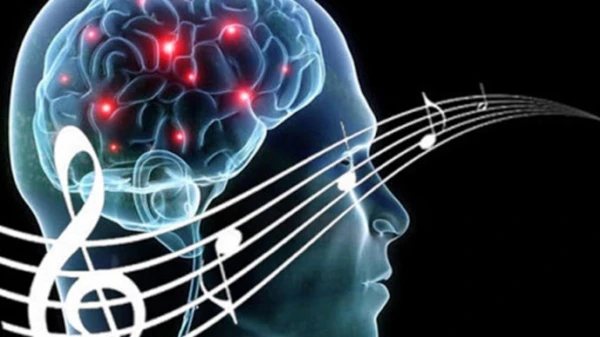
Music not only pleases the ear but also has a noticeable impact on emotional state and health. It helps cope with various ailments and becomes an effective way to support the body. This article discusses how music therapy contributes to strengthening physical and psychological well-being.
About Music Therapy
Most listeners perceive music coming from headphones or speakers as a source of emotions and pleasant moods. Meanwhile, by choosing favorite melodies, a person often enters into a kind of dialogue with an "invisible doctor." The healing potential of music was noted by Pythagoras, who claimed that it helps restore strength. Later, Hippocrates confirmed his thoughts in practice — he calmed patients, alleviated insomnia, and reduced the manifestations of epileptic seizures using certain musical works.
Types of Music Therapy
Today, there are two basic directions in music therapy: active and passive.
In the active type, a person does not just listen to music but becomes a participant in the process — singing, clapping, tapping, or repeating the rhythm in other ways.
Passive therapy involves immersion in sound without participation — the patient listens to selected musical compositions that set the mood for relaxation, help restore strength, or, conversely, provide energy.
What Music Heals?
It is believed that classical music has a particularly beneficial effect on emotional well-being. Works by Mozart or Verdi — for example, "Turkish Rondo" or "Triumphal March" — lift the mood and enhance the feeling of inner harmony.
To relieve tension and regain calmness, Brahms' "Lullaby," Schubert's compositions, Tchaikovsky's "Pieces," or Schumann's "Dreams" are suitable. For a cheerful start to the day, Messiaen's "The Awakening of the Birds" is excellent.
Many note that music effectively alleviates headaches and migraine attacks — especially works by Mendelssohn and Mozart. An interesting fact: the therapeutic effect of Mozart's compositions is associated with a characteristic thirty-second rhythmic transition of "soft — loud," which coincides with the natural bioelectrical rhythms of the human brain. Moreover, not only classical fragments but also recordings by Presley or Wellington possess calming properties.
Musical Instruments and Their Properties
In music therapy, there is a belief that each instrument resonates with certain systems of the body. The harp and drum are considered beneficial for people with heart problems, the violin helps alleviate symptoms of depression, playing the piano contributes to normalizing endocrine processes, and the saxophone, it is said, enhances sexual energy.
How to "Heal" with Music
Despite existing recommendations, personal feelings always remain the key guide. If a composition considered therapeutic causes discomfort or irritation, one should not force oneself to continue listening — music should be perceived willingly and with pleasure.
If the suggested list does not suit, it is important to find one's melodies that help relax or achieve emotional balance. It is also important to consider the volume level: excessively loud sound can negate any therapeutic effect and lead to fatigue.
Source: womanhit
















Leave a comment