
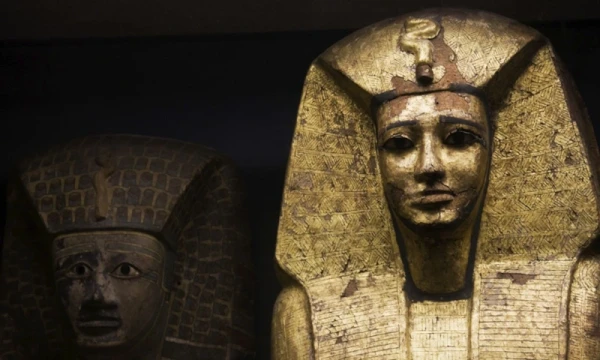
The discovered figurines, according to beliefs, were supposed to perform work for the deceased in the afterlife.
In the Egyptian necropolis of Tanis, archaeologists have managed to uncover a centuries-old mystery related to the burial of Pharaoh Sheshonq III. The mysterious sarcophagus, found in the mid-20th century in the tomb of his predecessor Osorkon II, has finally found its owner, reports the portal Archaeology News.
The key to the riddle was a collection of 225 burial figurines known as "ushabti," which lay untouched for over two millennia. Researchers discovered clear inscriptions with the name Sheshonq III on the miniature statuettes. The era of this king is known to scholars for the division of Egypt into two parts.
Now researchers need to determine how the pharaoh's sarcophagus ended up in a foreign tomb. The main hypothesis suggests that priests may have secretly moved it here to protect it from tomb robbers. This was a desperate attempt to preserve the ruler's peace during turbulent times.
The discovered figurines, according to beliefs, were supposed to perform work for the deceased in the afterlife. The found set of 225 figurines is considered one of the most complete collections ever discovered.
Sheshonq II (Hekakheperre Setepenre) was an Egyptian pharaoh (c. 890–889 BC or 887–885 BC) of the 22nd dynasty.
Sheshonq II, the high priest of Amun and commander of the southern army, surrounded himself with great splendor in Thebes, took on royal titles, and increased his power to such an extent that he could pass the office of the high priest of Amun in Thebes to his son from his wife Nesitanebtasheru Harsiesu, disregarding the opinion of the supreme lord.




Leave a comment