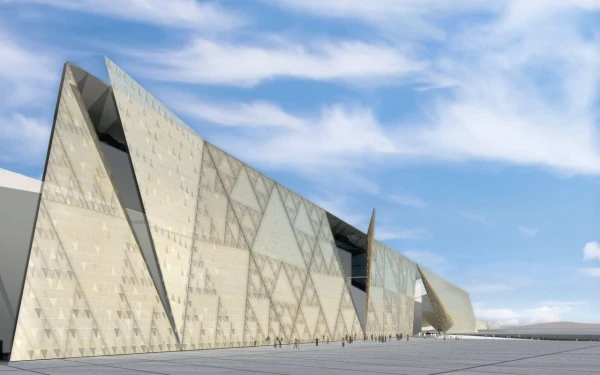
The 12 main galleries will introduce you to all periods.
The Grand Egyptian Museum is located in Giza — right across from the famous pyramids. It covers an area of 47 hectares. The obelisk of Pharaoh Ramses II greets visitors at the museum's square, preparing them to meet his statue face to face as they enter the main hall.
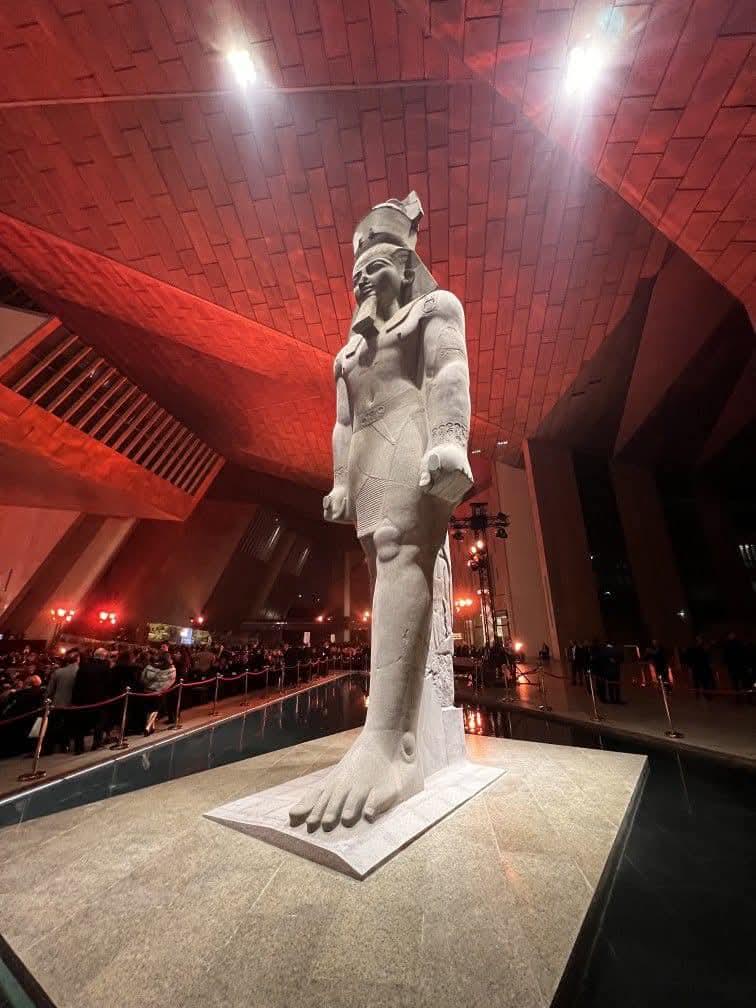
Diving into the history of Egypt is, quite literally, an ascent up a massive staircase. On your way to the gallery halls, you will encounter sphinxes, gods, and rulers of ancient times. Once you ascend, the majestic pyramids will appear before you.
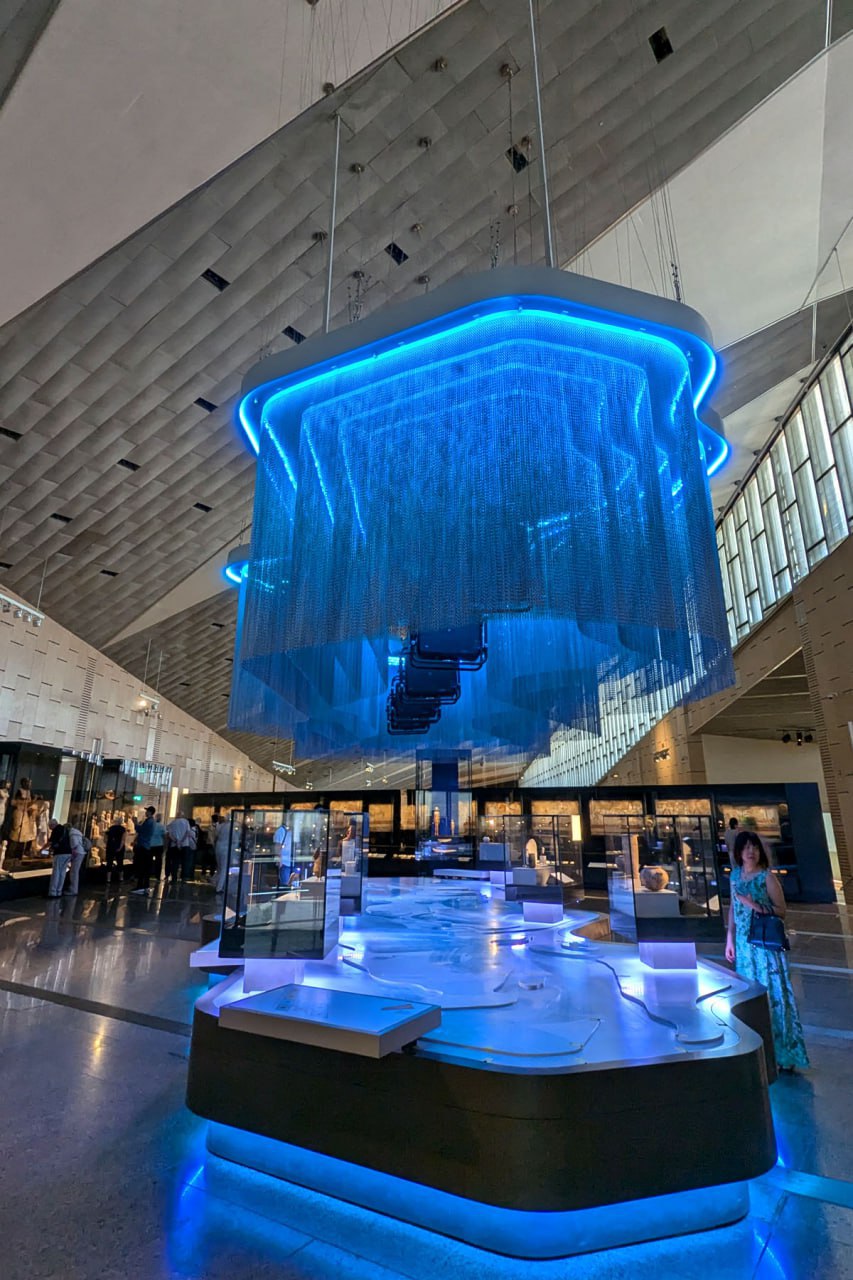
The 12 main galleries will introduce you to all periods of Ancient Egypt's existence — from the predynastic to the Greco-Roman. They are divided into three sections: "society, royal dynasties" and "beliefs."
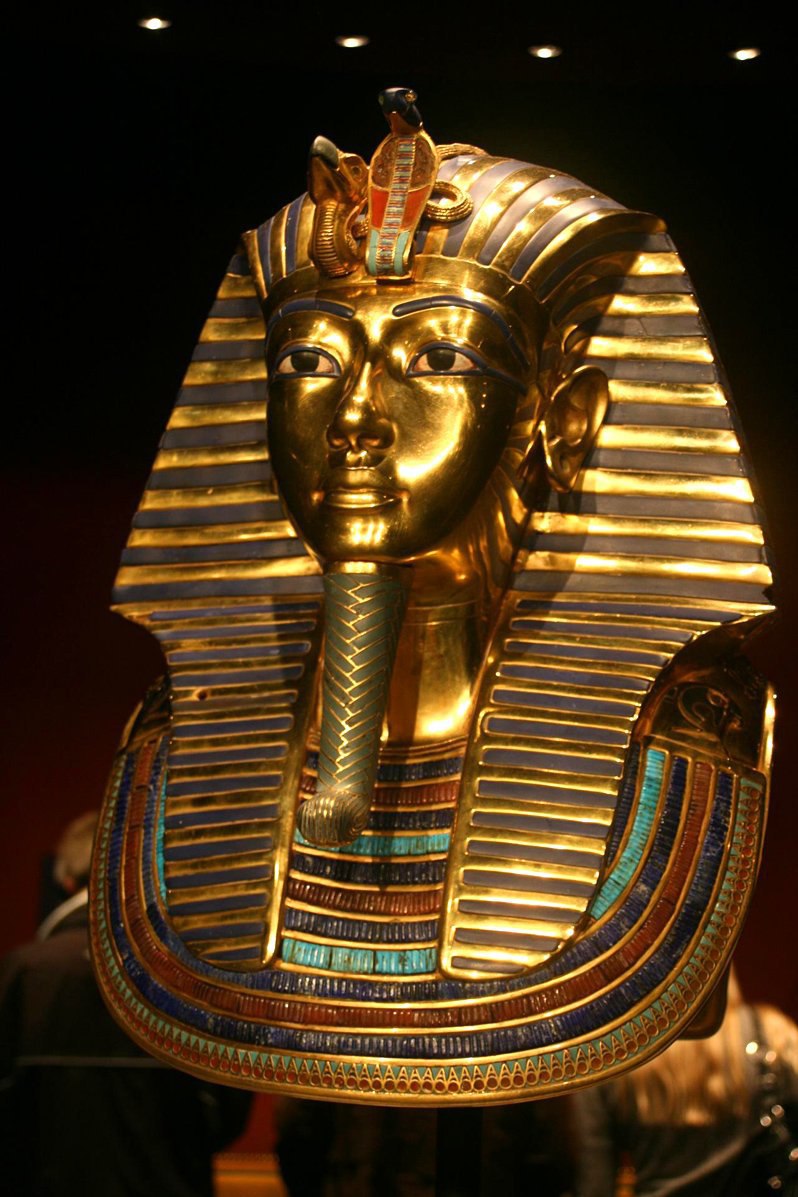
The gallery dedicated to Tutankhamun was inaccessible until the official opening on November 1, 2025. It has become the main sensation, as the tomb of Tutankhamun provided invaluable insights into the daily life of Egyptians during the 18th dynasty. In the Tutankhamun gallery, you will be able to view numerous burial items.
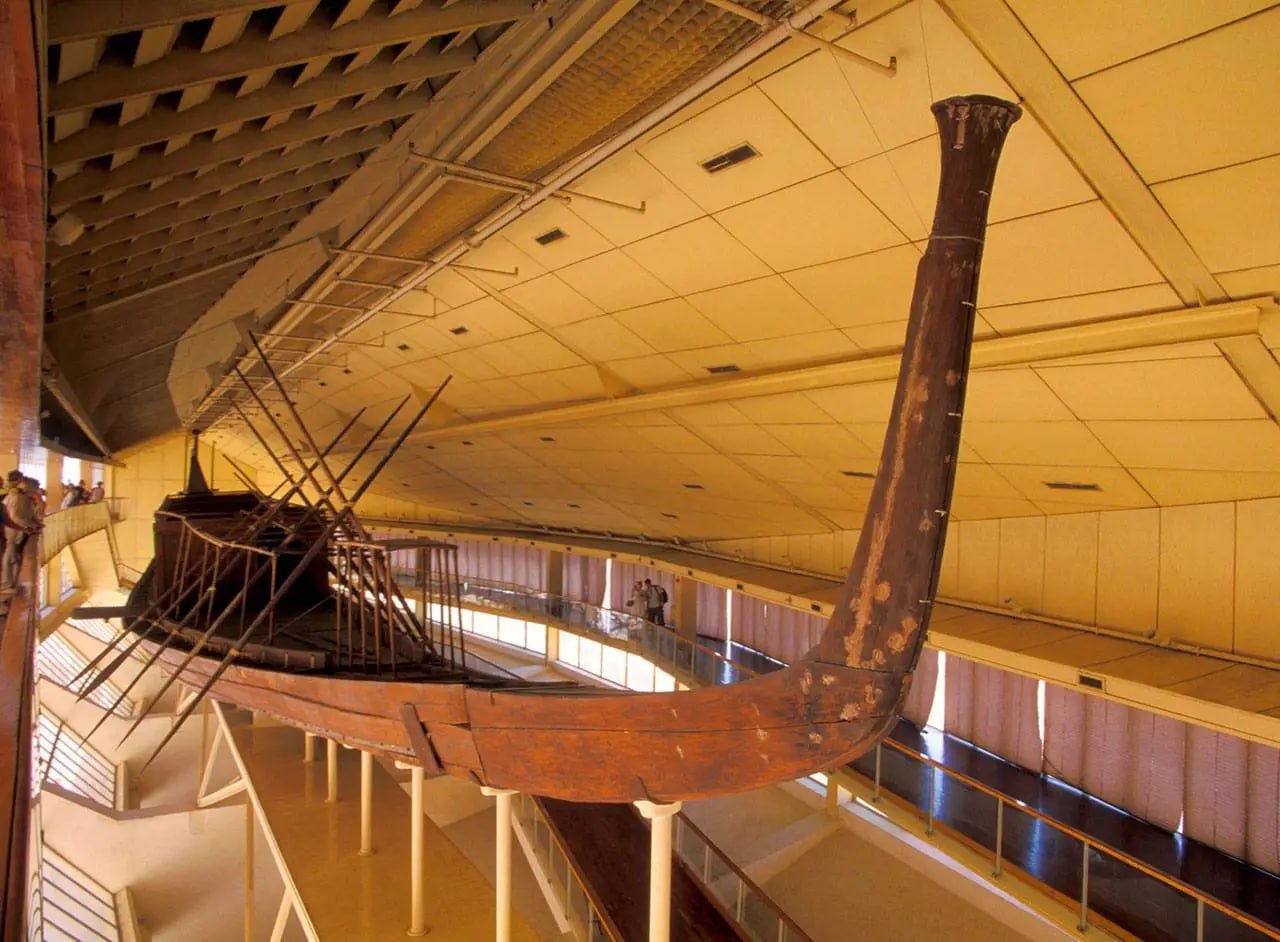
To further appreciate the scale of history, you can see the solar barque of Khufu — a 42-meter-long vessel fully housed in the museum. Such boats were used by pharaohs to journey to the afterlife after death.
First impressions are mixed. Some are in awe, while others complain about closed halls, incompetent guides, lack of navigation, and the absence of household items that tell the story of ordinary Egyptians.
A Great Sensation
The opening of the Egyptian Museum was indeed a resonant event. The celebrations were attended by 18 presidents, 12 kings and supreme rulers, 8 prime ministers, and another 40 ministers and parliamentary speakers. Russia was represented by Culture Minister Olga Lyubimova.
Given the complex history of construction, which was interrupted by the "Arab Spring" and other political upheavals, some viewed the opening as a signal: Egypt's and Africa's soft power is strengthening. For instance, in an interview regarding the event, Eritrean President Isaias Afwerki noted not only the museum as a civilizational message to the world but also emphasized the ability of African countries to solve problems at the local level. Moreover, the completion of the Grand Egyptian Museum project would not have been possible without the contributions of Japanese partners, as confirmed by Egyptian President Abdel Fattah el-Sisi.
The museum is also seen as playing a significant role in Egypt's economy, where tourism accounts for 12% of GDP. The economic significance of the museum and its connection to sustainable development goals are directly stated in project documents. Considering the cost and scale of the project, some economists fear it may become a "white elephant" — an asset requiring substantial maintenance and servicing costs without generating sufficient profit or benefit.
The museum is expected to generate revenue through two recreational areas. The first is directly related to the economic component of the project and hosts events for companies, shops, and the service sector. The second plays a socio-economic role through a cinema and children's area, where cultural events are held to support the museum financially.
Additionally, the Egyptian government has spent over 7 years reconstructing the pyramid area in Giza to improve tourist infrastructure. Promotion involves not only the state but also businesses. After the museum's opening, the Talaat Moustafa Group (TMG) announced the implementation of a luxury tourism development project worth $788 million, which will be located directly behind the museum and will include a luxurious Four Seasons hotel, residences, and shopping and entertainment areas.
By 2030, the museum is expected to attract 30 million tourists. Indeed, in the first weeks of its existence, it receives 19,000 visitors per day and has already faced overcrowding issues, necessitating timed entry.
But can Egypt sustain such excitement?