
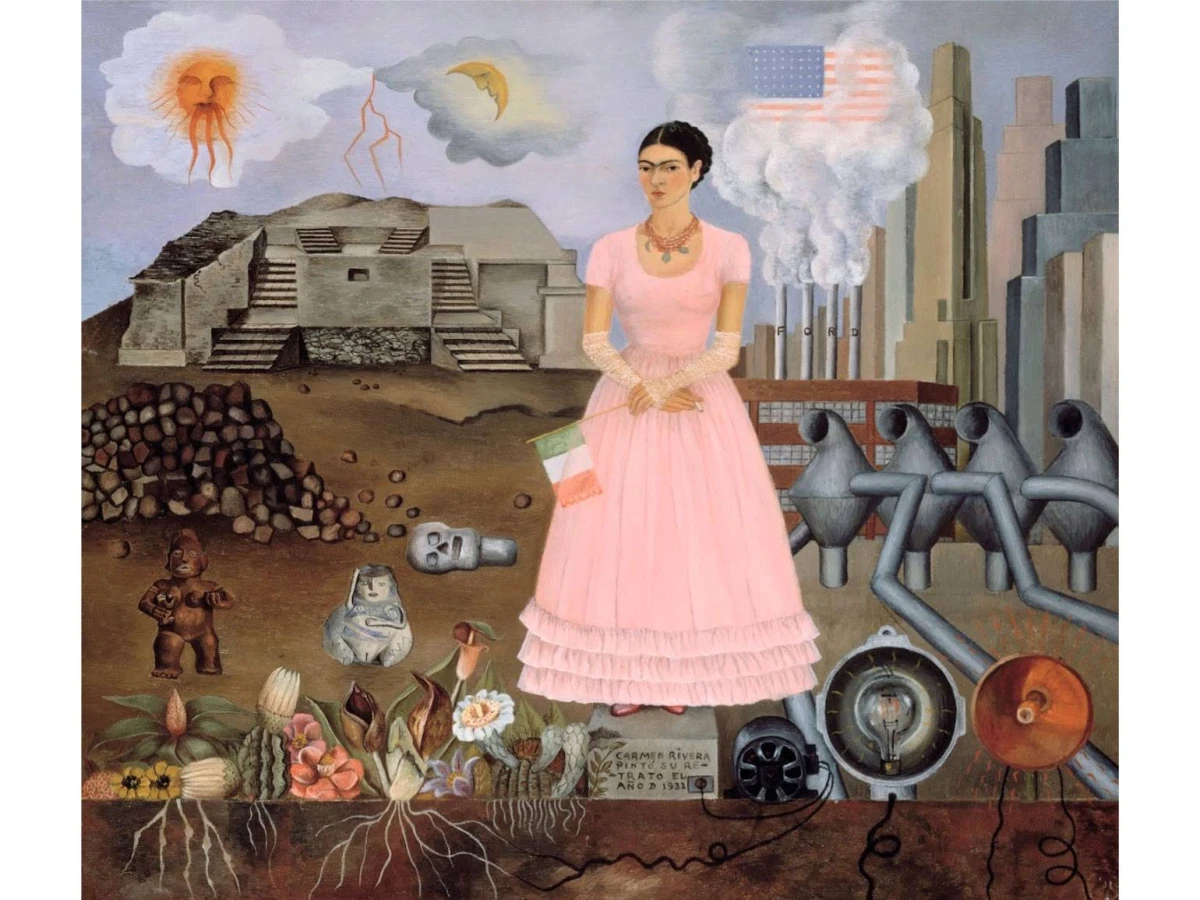
More than four hundred artists, curators, and experts have signed an open letter demanding clarification from the authorities regarding the fate of the national heritage. The conflict erupted over an agreement between Mexican institutions and the banking giant Banco Santander, under which a significant part of the collection is set to move to the new cultural center Faro Santander in Madrid. For many Mexicans, this decision has been a painful blow to national identity, as Kahlo's legacy has long transcended mere art, becoming a symbol of the country itself.
The situation is particularly acute due to the legal status of the artist's works. Back in 1984, the Mexican government officially designated Frida Kahlo's works as "art monuments." The presidential decree was crystal clear: such objects may leave the country only temporarily, and the state is obliged to ensure their return. Critics of the deal point out that the National Institute of Fine Arts and Literature, responsible for preserving heritage, is effectively ignoring the spirit of this law. According to the protesters, transferring the paintings to a private financial conglomerate, even temporarily, creates a dangerous precedent that undermines the protection of cultural values that should remain under the care of the Mexican state.
Representatives of Banco Santander are trying to ease tensions, emphasizing that the agreement is strictly temporary and does not imply a change of ownership of the collection. The bank insists on its role as a guarantor of preservation and a research platform. However, these assurances do not convince the public, especially in light of the careless remarks made by the leadership of the future center. The director of Faro Santander previously publicly stated that the legislation governing the status of masterpieces could be considered "flexible," and the collection could gain a "permanent presence" in Spain. These words became a trigger for outrage: many saw them as a hint at a hidden long-term strategy to extract the paintings from Mexico.
The situation remains tense, transforming from a specialized museum dispute into a matter of national importance. For Mexico, Frida Kahlo's works are not just assets, but the heart of the history of Mexican art, whose loss, even for a few years, is perceived as a betrayal. While the parties continue to exchange statements, society demands full transparency regarding the terms of the contract. The cultural elite of the country is not willing to back down, fearing that under the guise of cultural exchange, a new form of "artistic colonialism" may be concealed, where iconic symbols of the nation become hostages to corporate interests in Europe. The outcome of this story remains open, but one thing is clear: the struggle for the right to own one's heritage has already reached an international level.












Leave a comment