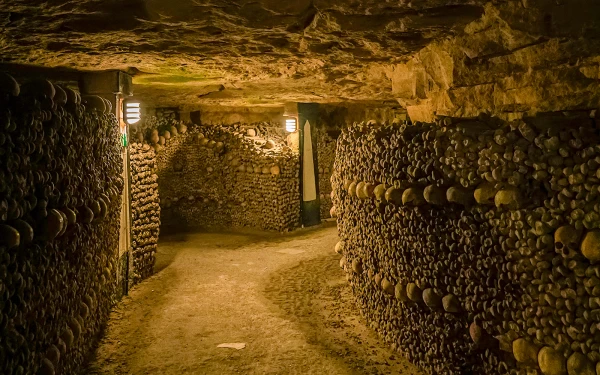
This unique underground necropolis, housing the remains of over six million people, has been under reconstruction for several months. The main task of the specialists was not only to strengthen the ancient vaults but also to modernize the systems for monitoring the microclimate, which is critically important for preserving the historical heritage. Now visitors can return to the labyrinths located twenty meters beneath the city quarters to touch upon the grim yet fascinating history of Paris.
The work carried out in the undergrounds has been the largest in recent decades. The reconstruction has affected the most vulnerable areas of the route, where time and high humidity have begun to damage the masonry. Engineers used modern scanning technologies to identify hidden voids and prevent possible collapses, while maximizing the preservation of the authentic appearance of the galleries. The update also affected the lighting system: it has now become more delicate, highlighting the drama of the ossuary, while also being safer for the ancient bones, which are extremely sensitive to thermal radiation and light.
Special attention during the renovation was given to logistics and visitor comfort. The museum administration implemented a new online booking system and digital guides, which allowed for strict limitations on the number of people underground at the same time. This decision was dictated by the need to maintain a stable level of humidity and temperature, as well as to ensure quick evacuation in case of emergencies. Despite the enhanced security measures, the atmosphere of the catacombs remains the same — silence, coolness, and endless rows of neatly stacked skulls and bones continue to leave an indelible impression on tourists, reminding them of the transience of existence and the complexity of urban history.
The reopening of the catacombs has been a long-awaited event for the tourism industry in France, which is recovering from years of crisis. City authorities emphasize that this site is not just a "museum of death," but an important monument of engineering thought and sanitary reform from the late 18th century, when overcrowded urban cemeteries became a threat to the health of Parisians.