The remains of the real "fourth musketeer" may have been discovered beneath a church in the Netherlands more than 350 years later.
During renovation work at the Church of St. Peter and Paul in Wolder, near Maastricht, archaeologists stumbled upon a skeleton that specialists believe belongs to Charles de Batz de Castelmore — better known as D'Artagnan, reports the Daily Mail. According to researchers, key evidence matches historical accounts of his death: a fragment of a musket ball was found near the ribs, and a French coin was discovered in the grave.
D'Artagnan, a trusted commander of King Louis XIV, was killed during the siege of Maastricht in 1673. Dying in battle, he was buried not far from where he fell — near the church where the French troops were stationed. The burial site holds particular significance: at that time, only high-ranking individuals were buried beneath the altar. A DNA sample from the skeleton's teeth is currently being compared to DNA from a living descendant of the musketeer, with results expected soon.
Archaeologist Wim Dijkma, who has been searching for D'Artagnan's grave for nearly 30 years, notes: "So far, nothing contradicts the theory that this is indeed him." Deacon Jos Valke, who was present at the excavation, is convinced of the historical significance of the find. "The skeleton was located where the altar used to stand. Only royal or particularly important people were buried beneath the altar."
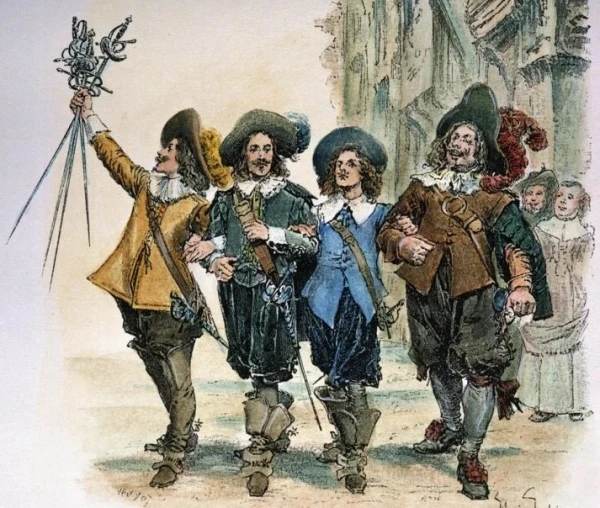
Charles de Batz de Castelmore became famous thanks to Alexandre Dumas' novel "The Three Musketeers" and became a global cultural icon with the well-known motto: "One for all and all for one."