
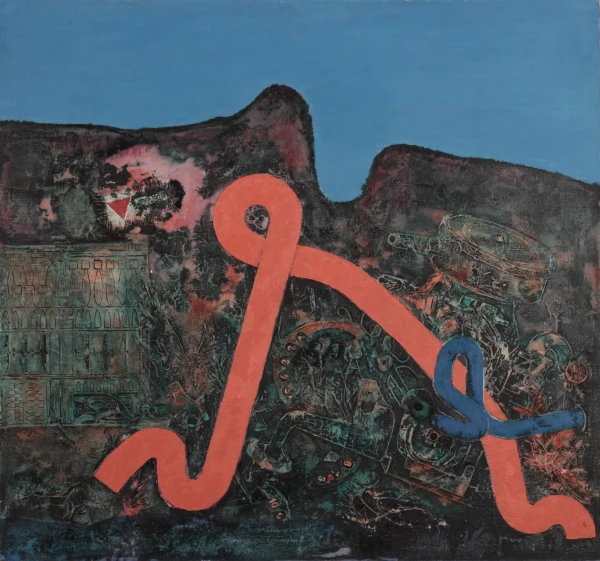
Until May 10, 2026, the exhibition 'Absurd Projects of Man on Earth' dedicated to the work of Ojārs Abolins will be held in the large hall of the Latvian National Museum of Art.
Ojārs Abolins (1922–1983) is a key figure of the Latvian avant-garde of the 1960s and 1970s, an art theorist and one of the leaders of the Artists' Union. His works are part of the collection of Soviet nonconformist art of Nancy and Norton Dodge, housed in the Zimmerli Art Museum (USA). Abolins' biography is controversial: from serving communist ideology to striving for Western art and modernism.
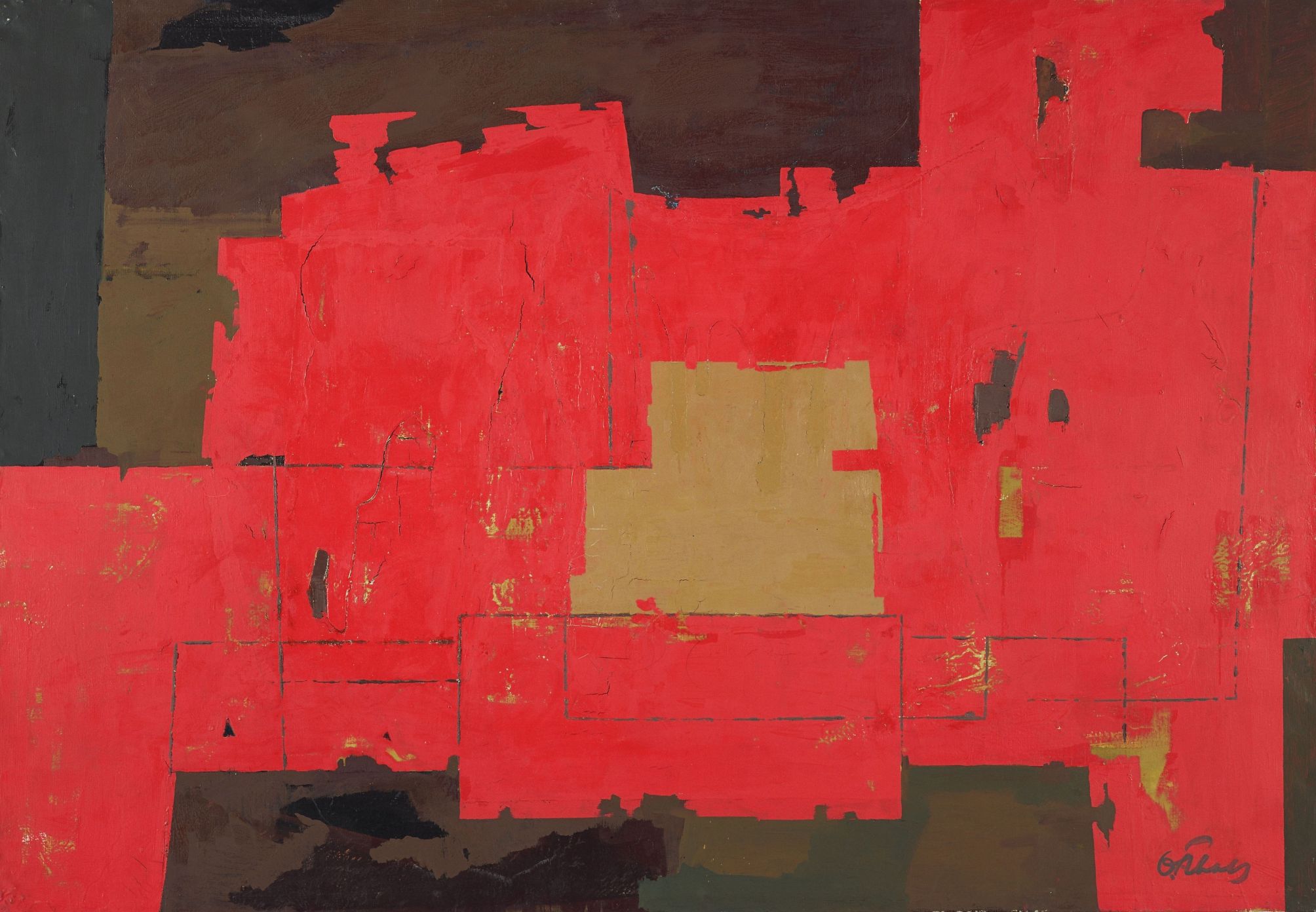
The formation of the artist took place in the 1950s to 1970s. Having received education in Riga, Leningrad, and Moscow, Abolins began with orthodox socialist realism, but from the 1960s he transitioned to figurative and abstract expressionism and conceptual painting. A pivotal work was the painting 'The Blacksmiths' (1962). Despite pressure from the authorities and accusations of formalism, he developed a modernist language, inspired by the works of Romans Suta, Pablo Picasso, and Pierre Soulages. In the series 'Ēvelsols', the artist symbolically expressed the tension between power and freedom.
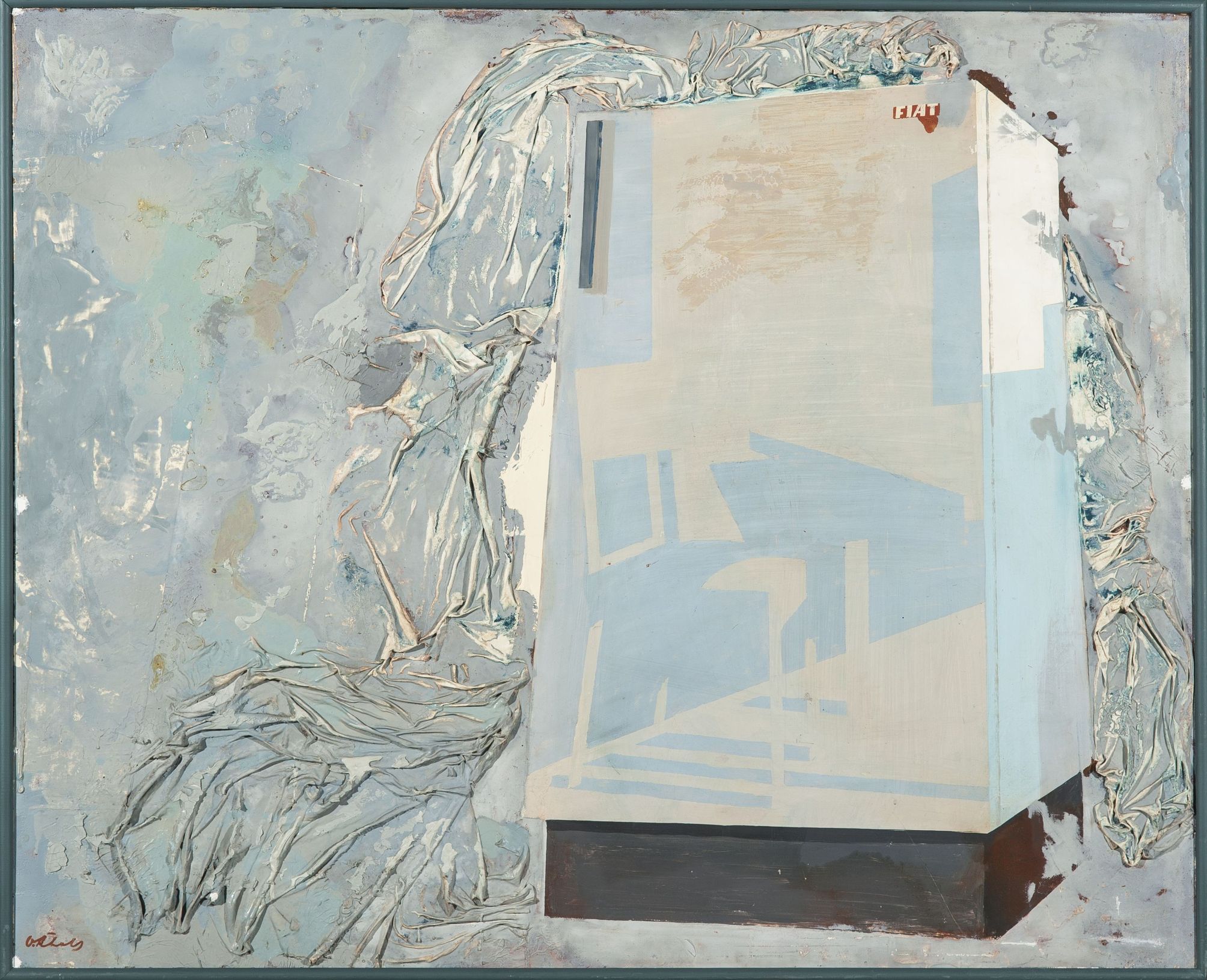
From the late 1960s, Abolins increasingly turned to conceptual art, exploring processes on Earth and the role of man. His works raised themes of nuclear threat, ecology, destruction of cultural heritage, and criticized bourgeois values and the cult of luxury. As a theorist and art historian, he played an important role in the development of contemporary art in Latvia. During his lifetime, Abolins did not have solo exhibitions in Latvia, and after his death, his artistic legacy and ideas were continued by Gemma Skulme.








Leave a comment