
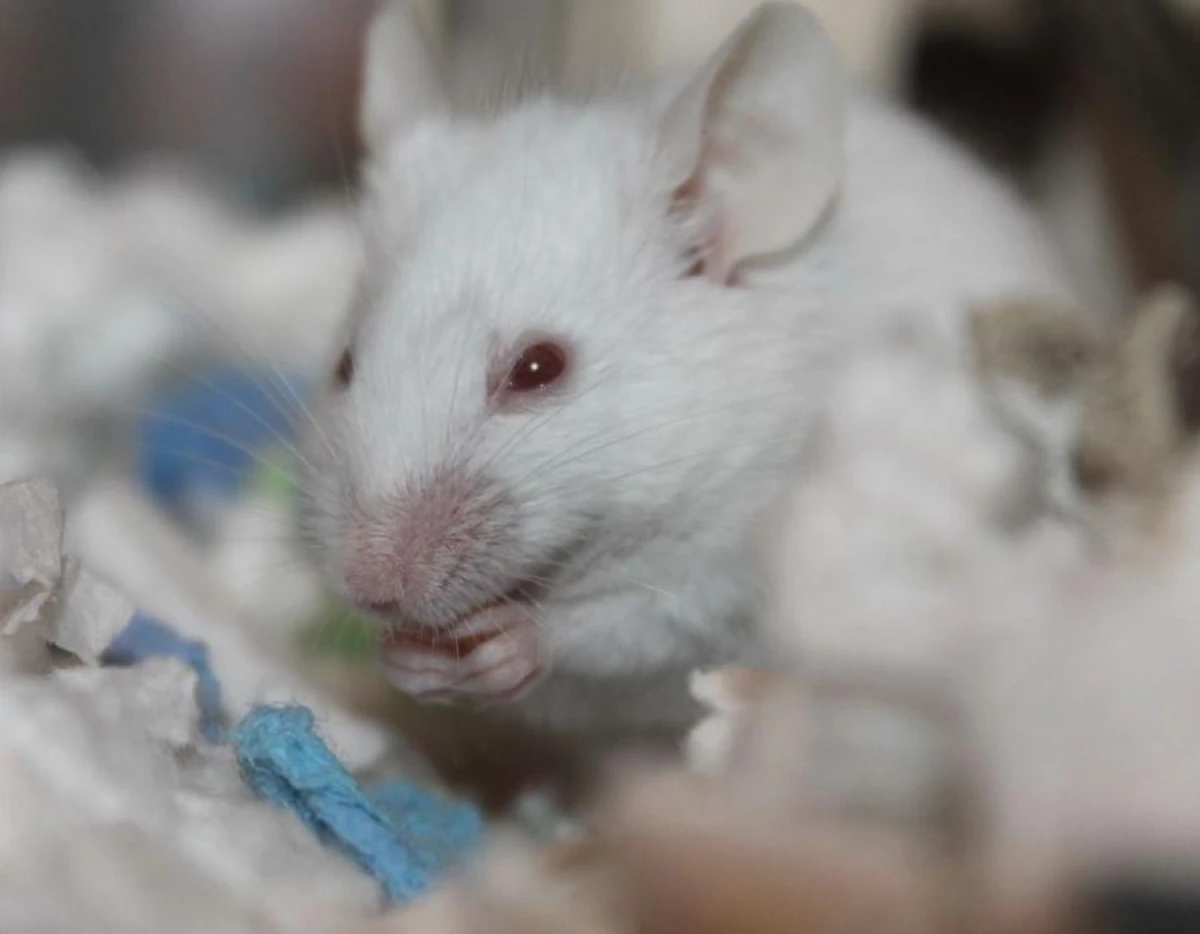
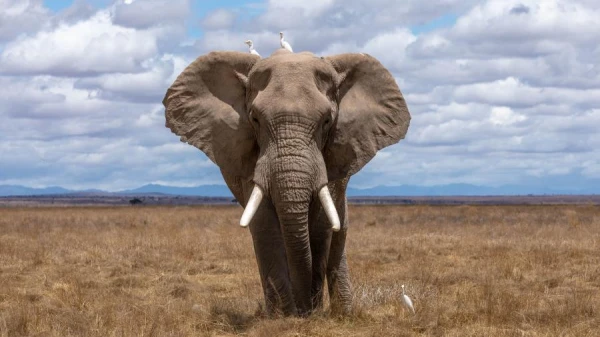
Have you ever wondered why some animals, like elephants, live for decades, while others, like mice, live only a short time? Scientists have long studied this question, so let's explore the reasons together.
Whether fair or not, small animals have a shorter lifespan...
There are four main reasons why larger animals live longer than their smaller counterparts. In fact, the answer lies in the question itself, as it is all about size. But let's not get ahead of ourselves!
Large Animals Are Less Likely to Become Prey
Small animals are more likely to fall victim to predators in the wild. This fact influences the evolution of these creatures. They have to reproduce faster, they give birth early, and they die young. Everything is the opposite for large animals. For example, the average lifespan of a mayfly (an insect) is 24 hours, a black rat is 1 year, a brown bear is between 25 and 30 years, a gorilla is 35, and a Greenland shark is 250 years.
Difference in Metabolism
Larger animals have a slower metabolism, which means they consume less energy to digest food compared to smaller creatures. However, there are exceptions to this “rule.” For example, there are birds that live longer than expected given their fast metabolism. This suggests that metabolic rate is not always linked to a short lifespan.
Body Temperature
Animals that inhabit cold conditions or have a low body temperature (cold-blooded) often hold records for longevity. This may be related to the fact that lower temperatures slow down metabolism and reduce damage from this process. Small animals tend to have higher temperature readings.
The Food Factor
Some studies show that animals that eat less live longer. This may be because reduced food intake lowers inflammation levels in the bodies of larger animals and delays the onset of certain age-related diseases.








Leave a comment