
If you have ever woken up with a headache, know that you are not alone. This applies to both humans and animals.
Alcohol is not only liked by humans. For example, American waxwings are so fascinated by the fermented fruits of the Brazilian pepper tree that they often fly in a state of intoxication and crash into windows, leading to their deaths. The blood alcohol level of these birds can reach nearly 0.1 percent.
Which animals consume alcohol?
In his book “Drunk Flies and Stoned Dolphins,” biologist One R. Pagan shares stories of how animals get drunk, emphasizing that he does not “advocate for drug use... even in small doses.”
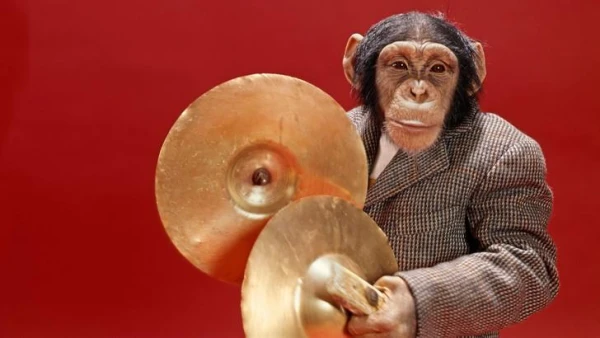
He begins with the most common drug—alcohol. Naturalists have documented its effects on wild animals for centuries, and Charles Darwin, in his work “The Descent of Man,” described how baboons in northeastern Africa can be trapped using beer. He also noted that after consuming brandy, a spider monkey “will never touch it again, and thus it is wiser than many people.”
The book reveals that bees also do not shy away from alcohol, although they have strict rules about it. If a worker bee returns to the hive drunk from fermented nectar, she is not allowed in and is immediately executed by being torn apart.
The book also discusses how animals use drugs not for recreational purposes—the biologist explains the many reasons they do so. Sometimes it is necessary for healing, as in the case of Arctic fish that produce ethanol during metabolism to cope with low temperatures; sometimes it is an evolutionary accident, as in the case of monkeys that are attracted to alcohol.
Sometimes it is unclear whether intoxication is intentional or something the animal may regret. Examples include jaguars that eat leaves of a vine with hallucinogens and become unusually playful, and 18th-century horses that became dangerously unstable after eating locusts during a drought.







Leave a comment