
Many infectious diseases have animal origins. The most well-known example is the SARS-CoV2 coronavirus, which caused the COVID-19 pandemic. Bats are usually mentioned in the context of coronaviruses; however, before reaching humans, viruses may pass through intermediate hosts. The most tragic example is the Ebola virus, which has a mortality rate of up to 90%. The natural reservoir for this virus is fruit bats, which are believed to suffer no ill effects from it.
Viruses are not the only pathogens that can be transmitted from animals to humans; bacteria, fungi, and parasitic worms can also make such transitions. However, discussions about viruses in this context occur much more frequently.
A pathogen can either leave the human body or adapt to it. In this case, the human becomes a new host, adding to or replacing one of the previous ones. For viruses that reproduce and change rapidly, tracking host shifts is possible through DNA or RNA (many viruses store their hereditary information in RNA). This is feasible if there is a sequenced genome of the virus, read multiple times at different points in time, as well as information about the origin of the samples. Data on related viral strains and variants are also necessary, as only within the framework of relatedness can we understand how the virus has changed. For example, if we observe that a viral protein interacts better with human cell receptors, while its relatives have similar proteins that bind better to cow receptors, this may indicate that the virus recently left the cow and began adapting to humans.
However, if viruses can jump from cows or bats to humans, what prevents them from making the reverse leap—from humans to cows? After all, SARS-CoV2 has been detected in domestic animals from time to time. If, for example, we find significant amounts of SARS-CoV2 in samples from cats or dogs, this may indicate that they contracted it from humans. Moreover, when infecting a new host, the virus may not undergo genetic changes, at least in the early stages. It is important for the virus to adapt to new cells, regardless of the presence of mutations.
Researchers from University College London conducted a study to determine how often virus transfers occur from animals to humans and back. They analyzed about 12 million different viral sequences collected from various databases (such analysis was made possible by modern computational power and algorithms). The results were surprising: animals contract viruses from humans significantly more often than vice versa—64% of animal infections occur from humans, while 36% of human infections come from animals. The most common viruses transmitted from humans to animals were coronaviruses and influenza A viruses. Even after excluding these groups, animal infections from humans still exceeded human infections from animals: 53.5% versus 46.5%. Of twenty-one major families of viruses, sixteen prefer to be transmitted from humans to animals.
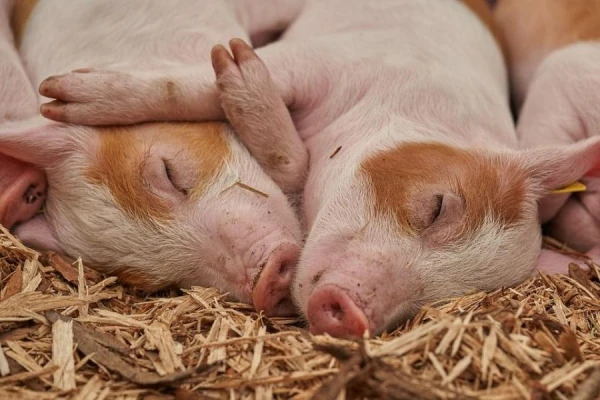
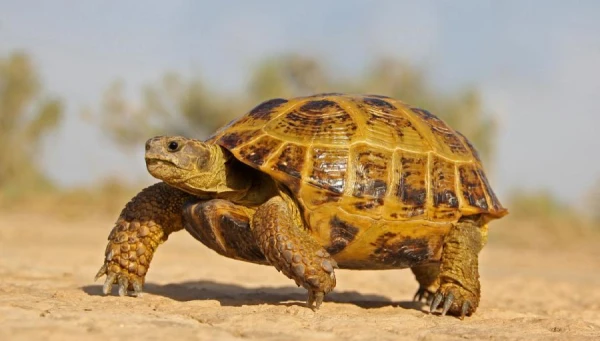
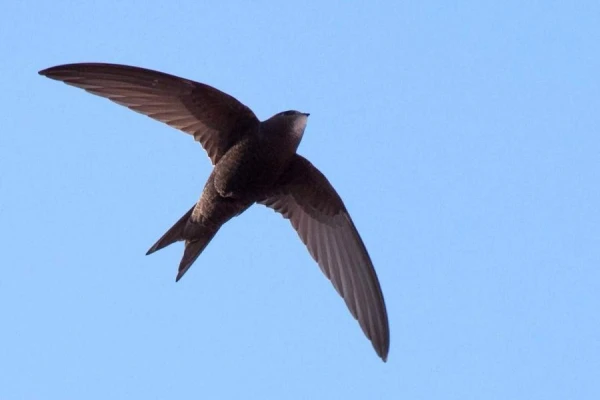
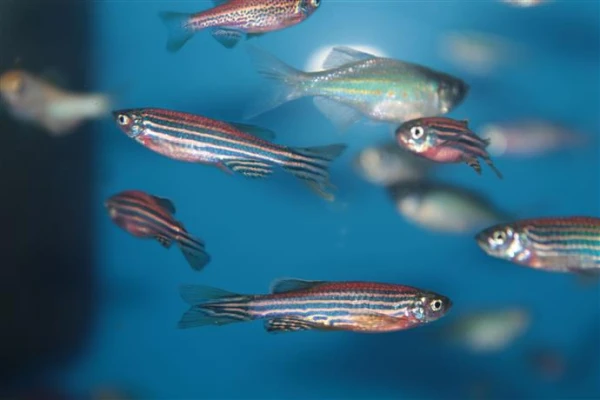
It should be noted that the data shows a bias towards agricultural animals—mainly pigs, chickens, ducks, and cows. This is explained by the fact that viral diseases in agricultural animals cause the greatest concern, their outbreaks are monitored more closely, and the accounting of viral samples is conducted more carefully. Nevertheless, the data also includes information about other birds and mammals, as well as reptiles, amphibians, and fish. As expected, transitions between humans and animals contribute to the evolutionary variability of viruses. At the same time, viruses that are already capable of existing in multiple species change relatively little during new transitions, as they are already well adapted to life in the cells of various biological species.
However, it cannot be claimed that humans simply acquire viruses from animals and that viruses, upon entering humans, then circulate only among them. Humans also act as a relay point, or, if one may say, an epidemiological hub in a network of various species through which viruses move; they effectively facilitate their spread among animals. This creates potential problems: for example, anthroponotic infections (transmitted from humans to animals) can cause serious issues in agriculture. At the same time, animals can become reservoirs for viruses that we believe we have eradicated and which, we think, no longer pose a threat to humans. To control viruses that move between species, collaborative efforts from specialists—virologists, veterinarians, zoologists, ecologists, and medical professionals—are necessary.
The study results are published in Nature Ecology & Evolution.









Leave a comment