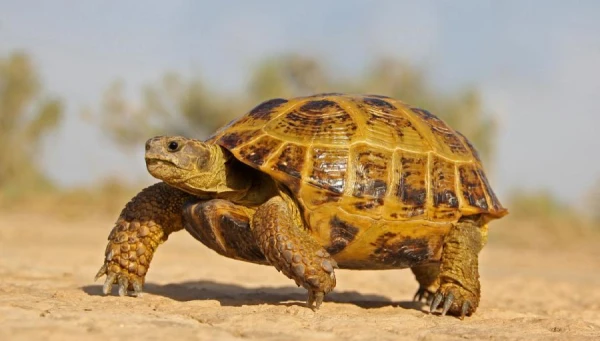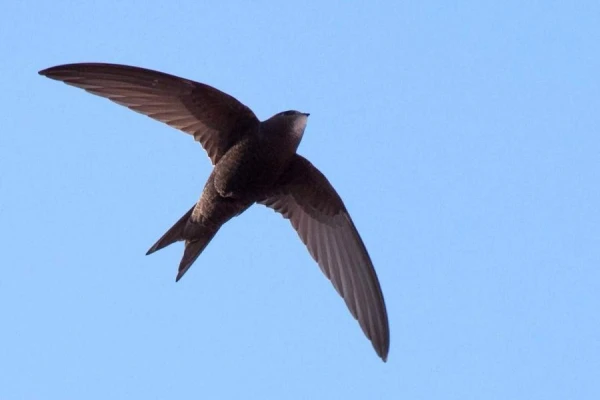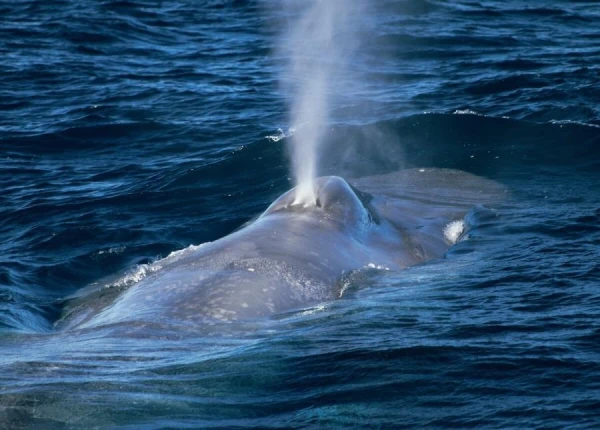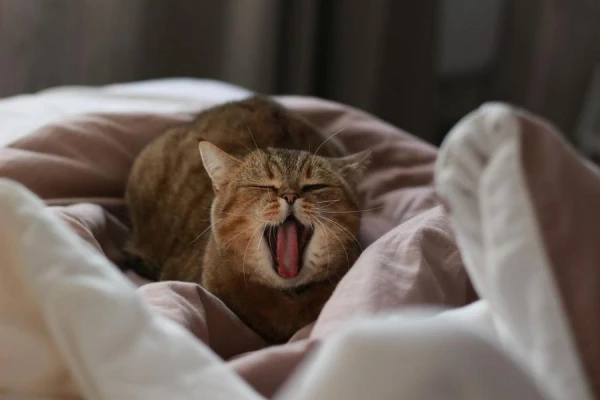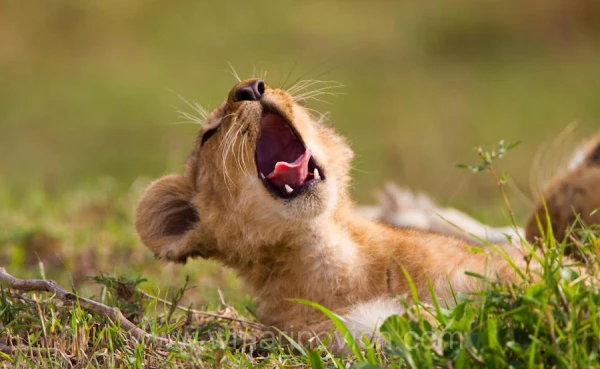
Research has shown that vertebrates with larger brains yawn longer. This has been demonstrated in a study of one hundred species of mammals and birds.
On average, we yawn about 5–10 times a day. However, this behavior is observed in many vertebrates. Given its prevalence, biologists have begun to investigate how and why yawning evolved. In their research, they not only identified the functions of yawning but also found a connection between this behavior and brain size.
Contrary to popular belief, yawning does not increase the oxygen saturation of the blood. Studies have shown that during a yawn, our brain cools down more effectively. Several subsequent works have confirmed this hypothesis. For example, scientists found that brain temperature significantly decreases after a yawn, and that the frequency of this behavior depends on the ambient temperature. Additionally, it has been noted that people yawn less frequently when applying a cold pack to the head or neck, or taking other measures to lower body temperature.
Yawning may also be related to the activation of the central nervous system. As body temperature rises, receptors in the brain are activated, which can cause drowsiness and increase the frequency of yawning.
Based on this logic, the authors of the study hypothesized that yawning may correlate with brain size, as the larger the organ, the more it heats up during operation, and the more cooling it requires. In their study, biologists aimed to test the universality of this theory and its applicability to birds. To do this, they analyzed 1,250 yawns from 55 species of mammals and 46 species of birds.
The team then compared the duration of yawns with brain scanning data. As a result, it was found that regardless of body size, the duration of yawning in different species increases with brain size and the number of neurons. Furthermore, the research group discovered that mammals yawn longer than birds, which can be explained by the higher body temperature of these animals.
5 Interesting Facts About Yawning
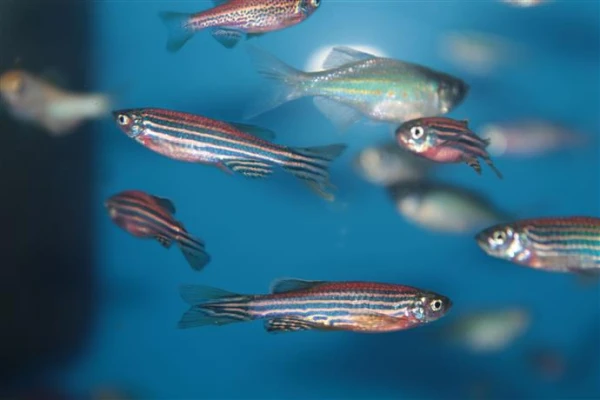
In some aquatic animals, such as fish, yawning may help refresh oxygen in the water as it passes through the gills.
Many animals, such as monkeys and elephants, may yawn in response to the yawning of other individuals of their species. This may be a manifestation of social behavior or a signal of relaxation.
In some animals, yawning may be associated with stress or anxiety. For example, some birds may yawn in dangerous situations.
Yawning may be part of the breathing process, helping to control or restore the rhythm of breathing.
Sometimes yawning may indicate certain medical conditions, such as sleep deprivation, chronic fatigue, or some neurological disorders.