The Riga City Council has decided to allocate 30,000 euros for trapping beavers using traps. One of the hunters has taken on the obligation to catch and then, according to the contract, dispose of 60 to 80 individuals by the end of 2024. How much will the life of one killed animal cost the city?
It is worth noting that local authorities are simultaneously protecting the trees along the city canal by offering beavers prepared branches as an alternative. However, on the outskirts of the capital, the largest rodents continue to breed actively.
Tracks of Unknown Animals
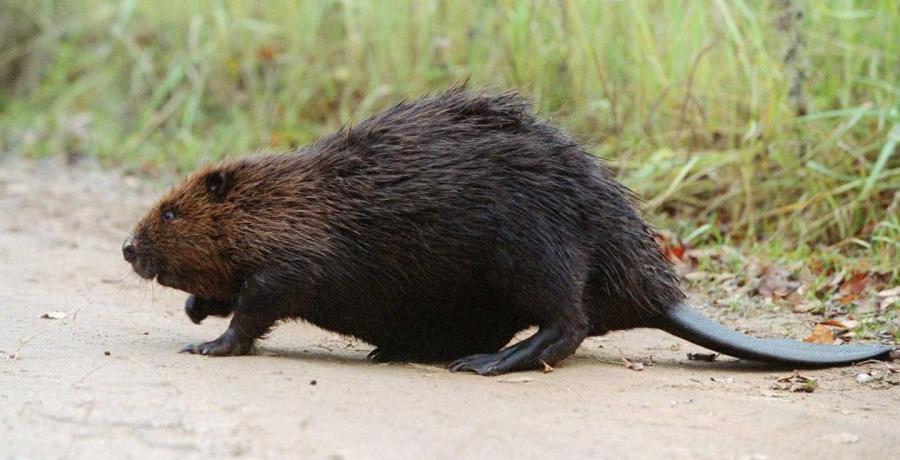
The quiet shore of Kisezers, near private houses and apartment buildings. Locals come to the lawn to have a picnic or feed swans, ducks, and seagulls. Here you can also encounter the piercingly screaming coot — a black bird with a white head and large feet, as well as a great crested grebe, adorned with orange and black plumage, which is sometimes called a dabchick. The bird world!
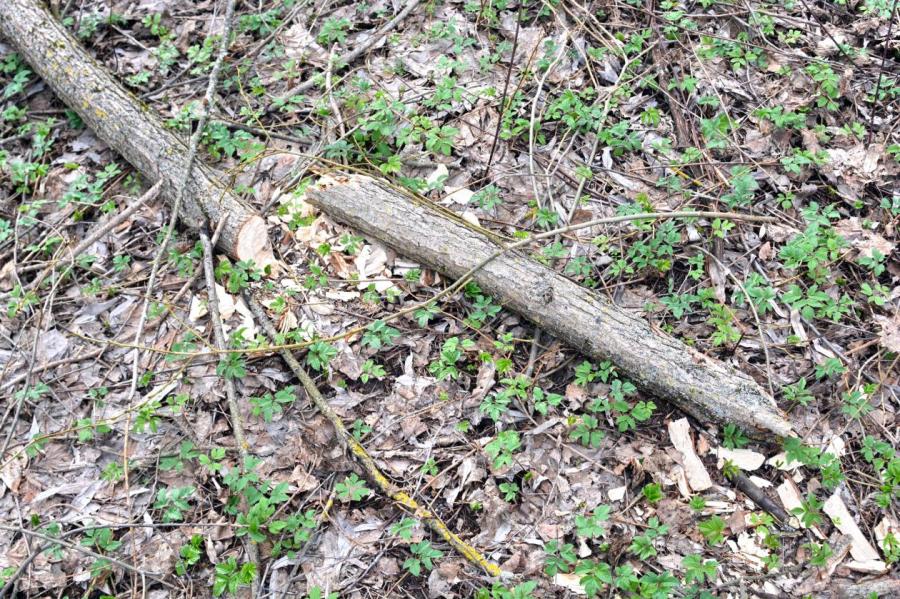
I make my way through a sparse grove along the lake and notice neatly trimmed bushes and trees, as if pruned by some tool. Some of them look as if they have been specially prepared for transport. Fresh shavings are visible everywhere on the ground. Here it is, the work of beavers!
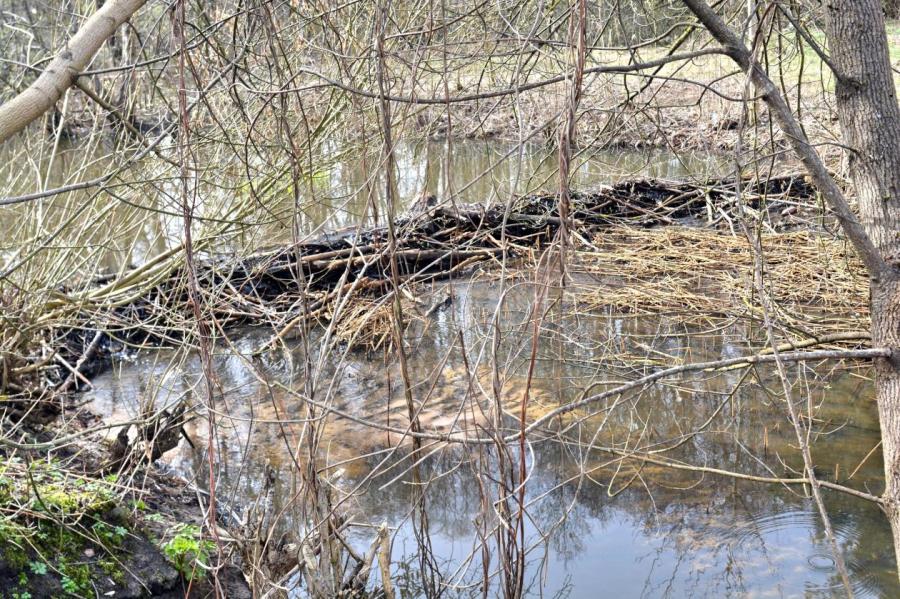
And here is the result of their diligent nighttime work. It is not only visible but also audible, as the water flows over the dam with a pleasant gurgling sound. The structure created by the tireless workers has transformed an ordinary drainage ditch, unmarked on the map, into a true natural habitat. This is an ordinary stream that flows into the lake. The full-bodied pool is clearly intended for a beaver family, but it is also used by ducks swimming in the distance.
I see the disturbed ground near the water — could a beaver be hiding there? I won’t check, the animal can be aggressive.
Castor fiber as a Cause of Conflict
The Latin name of the beaver, found throughout Eurasia, comes from the ancient Greek word “castor,” which means wood. The Canadian beaver, a relative of ours, has fewer chromosomes — 40 compared to 48. Nevertheless, they have much in common: a transparent eyelid that protects the eyes while diving, sharp teeth, a paddle-shaped tail, and a single channel through which beavers excrete waste and mark their territory with a unique beaver stream, used in folk medicine as an antispasmodic and calming agent.
However, the main reason for hunting beavers has always been their unique fur — water-repellent and durable. In the late 17th and early 18th centuries, bloody “beaver wars” broke out in America between Native American tribes, particularly the Iroquois, and French colonizers over control of the hunt. As a result, the Great Montreal Peace was signed in 1701, and then a warming trend began in Europe, reducing the need for pelts.
The extensive lifestyle of beavers requires a large territory. Therefore, they are extremely rare in captivity — there are only about sixty individuals recorded in the global zoo database.
Beavers can weigh up to 40 kilograms, making them the second largest rodents in the world after the lazy capybara. In the wild, they live for about 15 years. According to the Convention on the Conservation of European Wildlife and Natural Habitats, beavers are listed in Appendix III, which describes rules for population recovery and prohibits certain hunting methods (Latvia ratified this document in 1996). In several EU countries, such as Denmark and the Netherlands, the beaver population is being deliberately restored.
Chipa and Chapinsh
Riga resident Elena Kustova has been passionate about animals since childhood; even before entering the Latvian Agricultural Academy, she attended a club at the Riga Zoo, where there was a female beaver named Chipa. Together with young naturalists, she participated in outings — to schools and nursing homes.
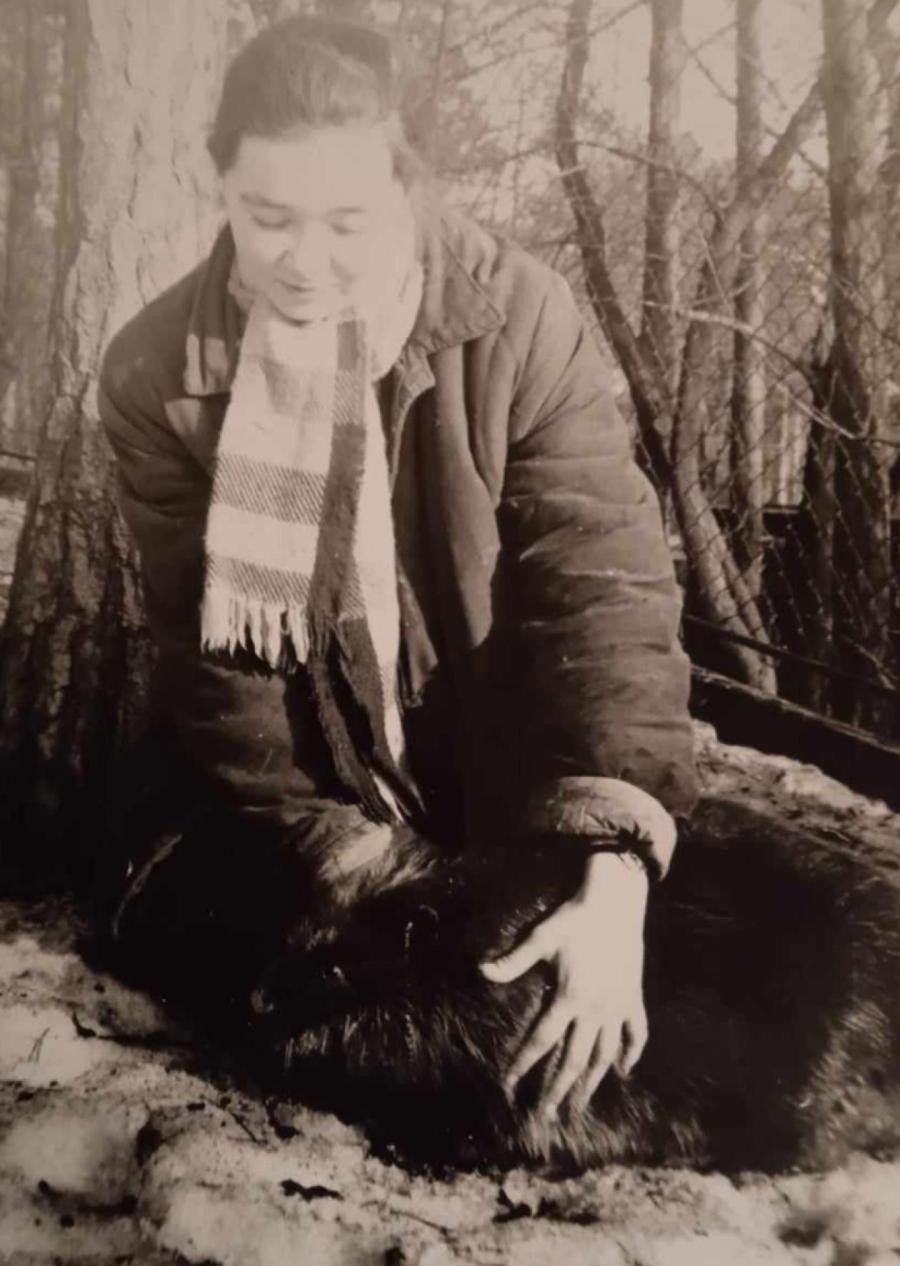
“A hand-raised, cool, cute animal,” Elena recalls her pet. “This Chipa greeted a delegation from Kobe — Riga's sister city — in my arms. Later, there was another hand-raised beaver, raised by Ingmars Lidaka.
During the coronavirus pandemic, the last beaver from the Riga Zoo, Chapinsh, moved from Riga to the Kerkraad Zoo in the Netherlands, where he was given a bride named Betty and a whole pool with an island. Back home, where he was caught during a hunt in the Talsi region, such comfort could not be provided.
And what did the beavers eat at the Riga Zoo? “Grain mix, vegetables, fruits, and definitely — brooms and tree branches, especially aspen, which are necessary for digestion. Also hay. There is a myth that they eat fish — but beavers are strict vegetarians.”
Of course, as babies, beaver kits feed on their mother's milk, and in the absence of it, as was the case with Chapinsh, whose parents died during a hunt, they are bottle-fed with a substitute... of the dog type. And it worked, he grew into a big animal.
Elena is against the hunting regulations that the Riga City Council intends to implement to regulate the beaver population. “I am shocked by this decision; the animals are never to blame. People are to blame; we invaded their territory, not they ours. Another foolish money laundering. It’s easier to kill than to find an acceptable solution and consult with specialists...”
According to Elena Kustova, the funds allocated by the municipality for exterminating beavers could be directed towards relocating them outside of Riga. By the way, the animals themselves sometimes leave their usual places — when the Rail Baltica construction began, the family living in the canal near the bus station calmly swam across. They don’t like noise, and there is plenty of water in Latvia, thank nature. So — until we meet again!