African and European views on hunting do not coincide.
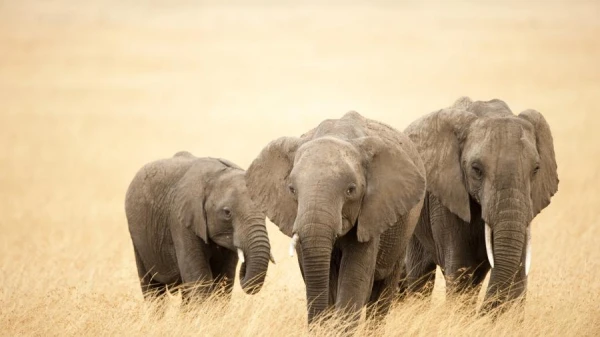
The President of Botswana expressed readiness to send 20,000 African elephants to Germany in response to the Federal Republic of Germany's refusal to purchase hunting trophies. In an interview with the German publication Bild, Mokgweetsi Masisi explained why he wants to gift such a number of animals and what his concerns are regarding the refusal.
Hunting elephants in Botswana previously contributed to controlling their population, noted Masisi. Moreover, hunting trophies brought additional income to the country: ivory products were in high demand in the international market, and affluent European countries, especially Germany, were profitable partners for Botswana. In 2021, Germany became the largest importer of hunting trophies within the European Union.
However, the views of governments on environmental issues are changing. Belgium, France, and Australia have already banned the trade in animal parts on their territories. A similar law is being discussed in the UK Parliament. In early 2024, the German Ministry of the Environment proposed introducing stricter restrictions on the import of trophies. Botswana reacted sharply to this. The President stated that he is ready to gift Germany 20,000 of the 130,000 wild elephants residing in the country, making Botswana the leader in the population of these animals in the world. Masisi added that Germans should experience life alongside these animals as they advise the residents of Botswana to do.
“We would like to make such a gift to Germany,” emphasized Mr. Masisi, adding that he would not accept a refusal.
This is not Botswana's first attempt to get rid of elephants: previously, the country transferred 8,000 individuals to neighboring Angola and offered hundreds of animals to Mozambique. In 2019, the Botswana government lifted a five-year ban on elephant hunting, explaining it by the destructive actions of these animals. Elephants in Botswana often invade small farmers' lands, destroy crops, kill livestock, and can pose a threat to humans.
In the African country, it is believed that the only way to control the elephant population is through hunting. Unlike poaching, such hunting is strictly licensed: a permit costs about $40,000 and can be purchased at a special online auction.