
Some birds can boast long lifespans, while others live very short lives. What influences their longevity?
Despite their size, many birds live surprisingly long lives. Their lifespan is on average three times longer than that of mammals of similar size, even with common characteristics such as high body temperature, intense metabolism, and high glucose levels, which typically shorten lifespan.
On average, the lifespan of birds ranges from five to ten years. However, this figure is quite conditional, as the class Aves includes over 11,000 species, which have significantly varying lifespans.
The Youngest and Longest-Lived Birds
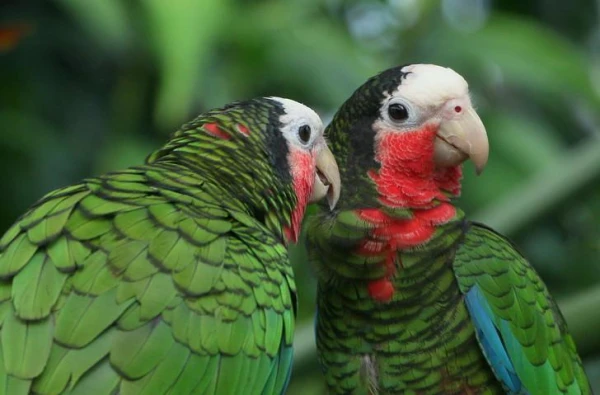
Parrots, flamingos, and albatrosses are considered the longest-lived representatives of the avian world. Many species from these groups can live up to 30 years or more. The longest-lived bird recorded in the wild is a dark-backed albatross named Wisdom, who resides in the Midway Atoll National Wildlife Refuge in Hawaii. In 2023, she turned 73 years old! Other long-lived species include rose-breasted cockatoos and Andean condors, which also have extraordinarily long lifespans within their taxonomic groups.
Among the birds with the shortest lifespans are sparrows, grebes, and woodpeckers. Ruby-throated hummingbirds have the shortest lifespan — from three to five years, which is still relatively long for such tiny creatures.
Factors Affecting Bird Lifespan
A general rule for all animals states that the larger the size, the longer the lifespan. This statement is particularly relevant for birds and bony fish. Larger birds not only live to an older age but also tend to have fewer natural enemies and require more time to grow.
However, there are exceptions to this rule. For example, hummingbirds are among the smallest birds, yet some species can live up to 14 years in the wild. At the same time, ostriches, the largest birds on the planet, can live up to 70 years in captivity, but in the wild, their lifespan is usually 30-40 years due to predators.
No less important a factor affecting longevity is climate: tropical birds lead a “slow” lifestyle, which includes longer life, slower metabolism, growth, and fewer offspring. In contrast, birds of temperate climates live fast and die young. Scientists have also found that tropical birds are more resilient to oxidative stress, which can negatively impact cellular tissues and overall health.
The tropical lifestyle is one reason why parrots live so long. Additionally, their high cognitive abilities and social behavior contribute to safety within the group. A vegetarian diet also affects lifespan.
Research shows that telomeres — protective structures at the ends of chromosomes — can predict the health and lifespan of animals. Shorter telomeres indicate a shorter lifespan. Interestingly, migratory birds have significantly shorter telomeres than non-migratory ones, which scientists believe is related to the stress caused by migration.
However, perhaps the main reason for the remarkable longevity of birds is that they can fly. Flying species live four times longer than their non-flying counterparts of similar size, as they find it easier to evade predators.
How Scientists Determine the Age of Birds
Scientists can determine the age of mammals by examining the wear on their teeth, horns, or jaws. The age of whales can even be determined by the formation of earwax. However, the situation is more complicated with birds. Only a few of them reach their potential old age in the wild due to accidents or predators.
One of the most well-known methods is banding, which involves placing a metal or colored band on a bird's ankle. This method is useful for estimating potential lifespan but is more commonly used for tracking migration and movement of birds.
Physical characteristics, such as feather condition, can help determine the early stages of a bird's life. Feathers are easier to analyze in larger birds, such as vultures, which develop more tears in their wings as they age. Young birds have a distinctive first set of feathers that often appears fluffy and baggy. Adult individuals, on the other hand, may have more unkempt plumage.
The age of young owls can be determined by the color of their feathers under ultraviolet light. The feathers of many owl species contain porphyrins — a pigment that breaks down over time and appears fluorescent pink under ultraviolet light.
Nevertheless, a reliable method for determining the age of birds has yet to be found, but research in this area continues!








Leave a comment