
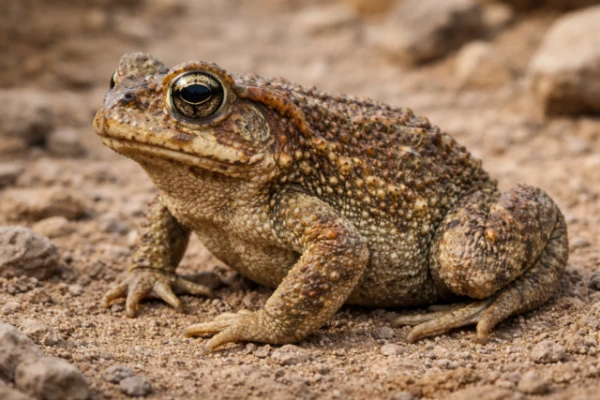
For the first time in the history of observations, a case of cannibalism among post-metamorphic (having passed the tadpole stage) frogs of the species Rhinella atacamensis has been documented in the Atacama Desert in Chile.
A biology student recorded a larger young frog swallowing a smaller individual whole in a small isolated pond. This observation is considered extremely rare, as most known cases of cannibalism in amphibians occur at the egg or larval stages, when individuals are densely clustered in water.
Scientists suggest that such behavior may represent an extreme adaptation to the harsh conditions of the desert. Limited access to food and water in isolated water bodies intensifies intraspecific competition and may force young frogs to take any available opportunity for nourishment, including eating their own kind.
Although a single observation does not allow for conclusions about the prevalence of such behavior, it expands the understanding of the species' natural history and highlights the importance of preserving fragile desert aquatic ecosystems. In such conditions, even rare forms of behavior can influence population dynamics and potentially contribute to the spread of parasites among individuals.











Leave a comment