The tail serves many different tasks.
The tail in mammals is a key organ for communication. In addition to this, it serves many other roles. Firstly, in aquatic mammals such as whales and sirenians, the tail acts as the primary means of propulsion. It serves a similar function in beavers.
Secondly, for mammals that move by jumping on two legs (such as kangaroos, jerboas, and African jumping mice), the tail acts as a balancing organ, and in kangaroos, it also serves as additional support when standing. Australian short-faced kangaroos use their tails to carry grass and twigs when building nests.
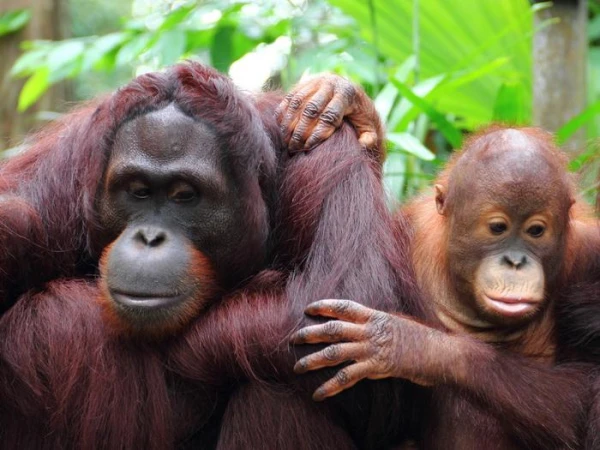
Thirdly, some arboreal mammals in South America use their tails as a fifth limb, gripping branches and hanging from them. In these animals, the skin on the underside of the tail resembles the skin of palms and soles: it is smooth and hairless, with textured lines.
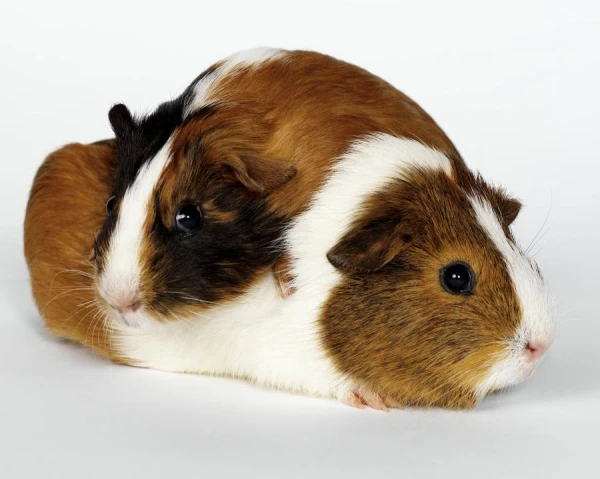
Fourthly, in a number of rodents, such as rats, the long, almost hairless tail functions as a thermoregulator: due to its vascular features, it can increase or decrease the amount of heat dissipated into the environment as needed.
Fifthly, many ungulates, including horses, cows, and antelopes, use their tails to ward off pesky flying insects. However, this protection proves to be not very effective, as the tail does not even reach the middle of the back.