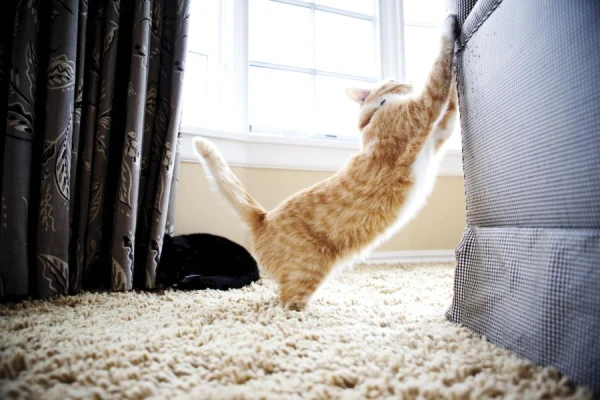
Claws are a natural part of cat behavior, allowing them not only to shed old layers but also to relieve stress and stretch well. Unfortunately, this process does not make claws any less sharp. During play or due to dissatisfaction, the animal can easily scratch you. Because of this, many owners decide to declaw their cats, but how dangerous is it?
Declawing is a surgical procedure to remove claws from animals, which is associated with numerous complications. First of all, it should be understood that during the operation, the veterinarian cuts through the joint to amputate part of the cat's 'finger', starting from the last joint and ending at the tip of the claw. This process carries the risk of serious blood loss and the possibility of infection.
Secondly, after such an intervention, the cat experiences severe pain, which requires the prescription of numerous medications that can negatively affect its future health. One study showed that 42% of declawed cats experienced prolonged pain even after rehabilitation, and about a quarter of them limped. In 15% of cases, the claws may eventually grow back after the surgery.
Thirdly, since cats heavily rely on their claws for climbing various surfaces, their coordination may be impaired.
It should be noted that declawing does not address the underlying issue that leads owners to resort to this measure—aggressive behavior. Therefore, even after the surgery, a cat may continue to jump on you and bite. If you are concerned about the condition of your furniture, it is advisable to provide the cat with an alternative scratching post and train it in good behavior. Veterinarians can offer advice on how to trim claws carefully.
Animal rights advocates have long raised the ethical question of the appropriateness of this procedure. In several countries in Europe, as well as in some regions of Canada, the USA, and Australia, this surgery is banned.