
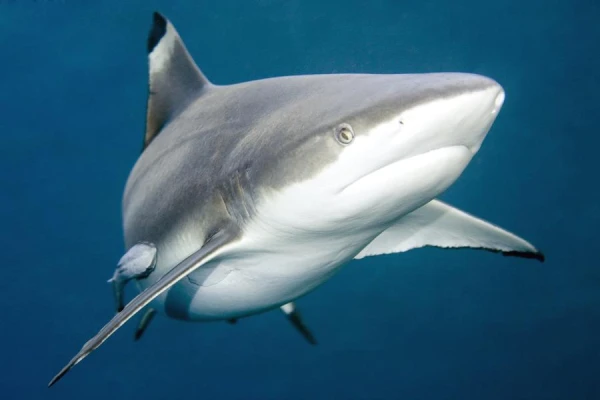
The global shark population is rapidly declining despite international efforts to limit their catch. From 2012 to 2019, the number of sharks killed due to fishing rose from approximately 76 million to over 80 million per year. At least 25 million of these are from endangered species, according to biologists from Dalhousie University in Halifax.
As of today, 70% of countries have implemented measures to protect sharks. However, some of these regulations, introduced back in the 1990s, have led to unintended consequences that have resulted in the deaths of even more sharks, according to new data.
Over the past two decades, the catch of shark fins has slightly decreased, but policies requiring fishermen to catch sharks whole have inadvertently stimulated the market for shark meat. “The measures against finning have not become the panacea we hoped for,” said co-author of the study Lauren Schiller to AFP.
Researchers spent three years collecting data on fishing regulations and shark mortality. They demonstrated how widespread the trade in shark meat, oil, and cartilage is, with sharks often appearing in various products without consumers' knowledge.
Blood in the Water
Currently, smaller sharks, including juveniles, are more frequently caught due to the reduction in fin trade and regional declines in the populations of larger sharks.
In areas with the highest shark mortality, researchers found a wider use of gill nets, which hang in the water, and trawls—heavy nets that drag along the ocean floor.
According to Schiller, despite sharks being highly developed ocean predators, they are very vulnerable: “Sharks have spent over 99% of their time on Earth in the ocean without humans, so they were not prepared for us and the consequences of fishing.”
As a key species, sharks play an important role in maintaining the health of oceans. “If we lose these species, it could disrupt the balance of the marine ecosystem,” says Schiller. Currently, one in three shark species worldwide is at risk of extinction.
On a more positive note, scientists noted that many countries have implemented bans on shark fishing and created sanctuaries to protect one of the oldest species on the planet. According to the study, the establishment of shark refuges and protected areas appears to help maintain low levels of shark mortality.
Nevertheless, the current risks to coastal sharks seem to be increasing worldwide, a conclusion supported by the International Union for Conservation of Nature (IUCN).













Leave a comment