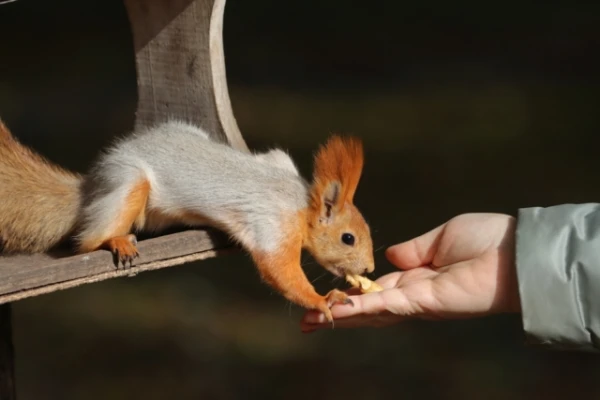
In the Japanese city of Obihiro, scientists noticed that red squirrels in parks become pregnant 24% more often than their forest counterparts. The animals fed year-round on nuts provided by humans, which supplied extra energy for pregnancy and raising offspring.
Researchers tracked marked females and found that urban squirrels gave birth about a month earlier and began mating at just one year of age.
About 40% of urban females had a second litter in the same year. The first litter survived three times better: on average three offspring compared to one and a half for forest squirrels. Humans feed birds and animals calorie-rich nuts and seeds, which accelerates the reproduction of bold species like squirrels.
There are other favorable factors: cities are warmer in winter, buildings provide shelter and nesting sites, and nighttime lighting helps detect predators earlier. However, the key factor remains food — its abundance triggers earlier and more frequent reproduction.