The assessment of dog breed purity is carried out according to a commonly accepted standard: appearance, behavior, and parameters of the animals are checked. In the pursuit of creating the ideal breed, breeders cross closely related individuals. As scientists found out, this often leads to the development of serious diseases.
Experts analyzed 227 dog breeds. It turned out that the inbreeding coefficient (the risk of genetic pathologies due to close-relative breeding) is 25 percent, which is a serious exceedance of the safe level.
As explained by the experts, some breeds become 'too purebred' for two reasons. The first is related to the size of the initial population. The second is that animals become this way due to breeders' pursuit of impeccable appearance.
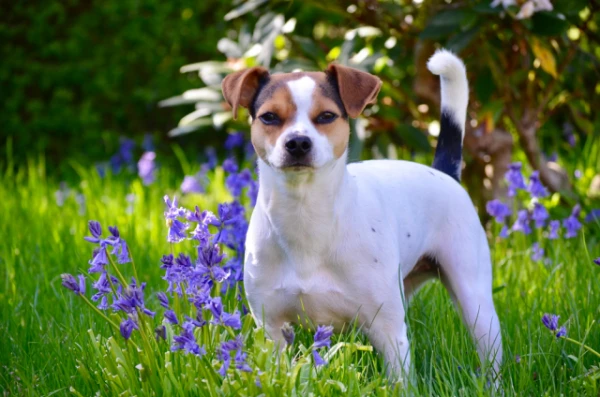
By analyzing the history of breeding Danish-Swedish Farmdogs, specialists concluded that they have a low inbreeding coefficient. The reason is that there were originally many animals of this breed, and they are bred for service to humans, not for beauty. Thus, this breed turned out to be the healthiest.