

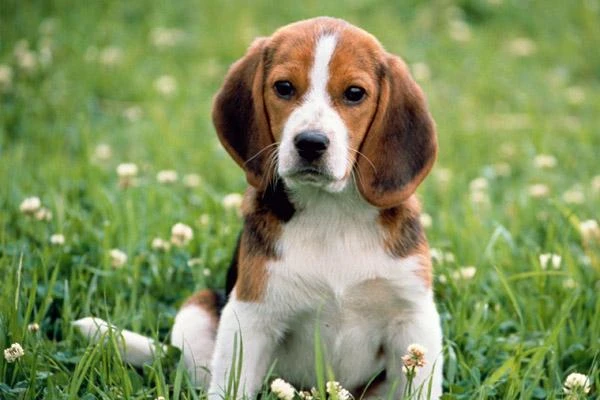
Researchers from Oxford claim that dogs are social mammals, which requires them to have additional brain resources.
This is just one of the observations made during a unique scientific project aimed at creating a map of evolutionary changes in the brains of various mammal species over more than 60 million years.
Scientists concluded that there is no universal scenario for the evolution of mammalian brains: different species have developed their brains along completely different paths. Additionally, a correlation was found between the social nature of a mammal and the relative size of its brain. The results of the study were published in the Proceedings of the National Academy of Sciences of the USA.
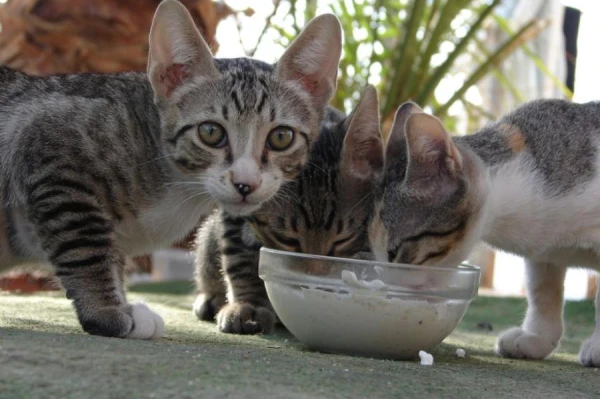
As part of the project, data on the brain-to-body size ratio of more than 500 species of modern and fossil mammals were analyzed. It was found that the greatest increase relative to body mass occurred in monkeys, followed by horses, dolphins, camels, and dogs. All these species, which have made the most progress in brain development, tend to live socially in stable and structured groups. At the same time, the brains of solitary animals, such as cats, deer, and rhinos, increased to a lesser extent over the same period.
Earlier studies attempted to answer the question of why some modern mammals have larger brains than others by comparing related species. There was an opinion that all mammals exhibit a general trend toward an increase in brain volume relative to body size. However, Dr. Susan Schultz and Professor Robin Dunbar from the Oxford Institute of Cognitive and Evolutionary Anthropology (ICEA) disproved this hypothesis. It turned out that different mammals developed their brains to varying degrees and not all increased in size. It can be assumed that social animals require more mental effort.
“Cooperation and coordination of actions,” says Susan Schultz, “which are necessary for group living, require significant mental resources; therefore, mammals that have to deal with this over time 'develop' larger brains.”
“Interestingly,” notes co-author and director of ICEA Robin Dunbar, “even among animals that are so close to humans, like cats, the proportion of brain volume to total body volume is significantly smaller than that of dogs and horses—because cats are not social.”
The methodology of the study involved comparing the brain and body measurements of each species of modern mammals with similar measurements of the remains of their fossil ancestors. The growth rate of the brain relative to the body was then assessed to determine whether this ratio changed over time. Finally, the growth rates of the brains of different mammal species were compared to identify possible trends.
... Cat lovers will certainly not be surprised by the results of the Oxford study. No one doubted that cats are much better at hiding their intelligence than dogs, and it is quite possible that they keep it in a safe place.










Leave a comment