
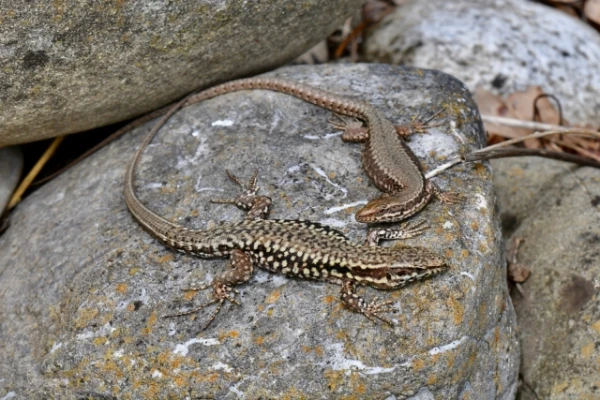
A study of the behavior of common wall lizards (Podarcis muralis) in Croatia showed that within cities, these reptiles interact with each other more frequently and form stronger social bonds compared to their rural counterparts.
This is unusual, as these animals are typically territorial and tend to avoid their kin.
Scientists have found that the urban environment, with its dense construction, limited shelters, and uneven distribution of resources, forces lizards to come closer together and exhibit greater tolerance. Such behavioral changes help them survive in the extreme conditions of megacities.
This example demonstrates the rapid adaptation of animals to anthropogenic environments. Changes in social strategies allow some species not only to persist in cities but also to evolve and adapt to new conditions.
Researchers emphasize the importance of considering wildlife interests when planning urban environments to facilitate coexistence between humans and animals.









Leave a comment