The rule also applies to lions, wolves, and foxes.
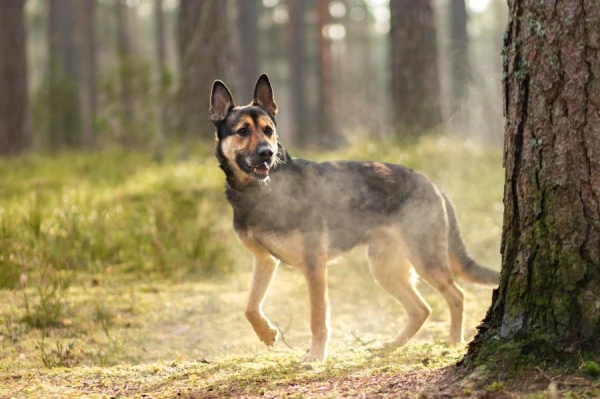
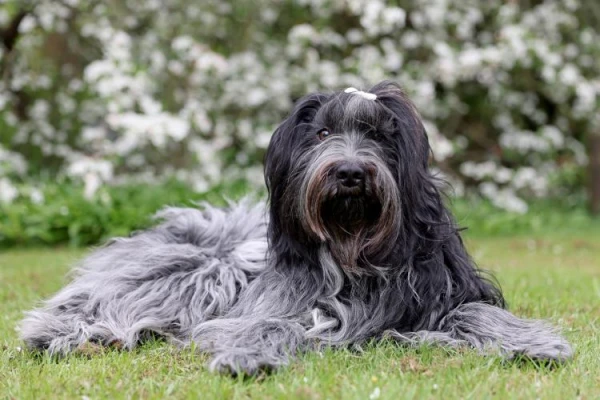
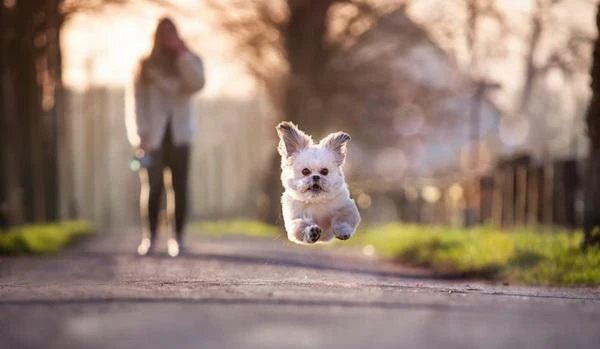
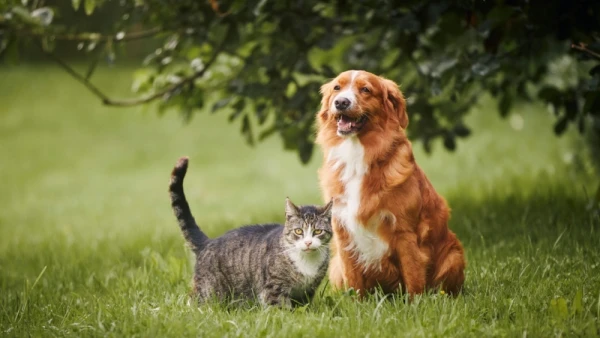
Observing domestic pets, one can notice a striking difference: a dog usually follows the same route, while a cat explores new corners each time. It turns out that this is not just a habit, but a deep evolutionary difference that has been preserved in all members of the canine and feline families — from wolves to foxes and from lions to domestic cats.
This conclusion was reached by scientists after a decade-long study involving 177 specialists from around the world. Using GPS collars, they tracked the movements of 1,239 predators of 34 species across six continents. This is the largest dataset on predator movement ever collected. The study was published in the journal Proceedings of the National Academy of Sciences.
"We found that predatory species use space fundamentally differently," said William Fagan, a biology professor at the University of Maryland (USA). "Members of the canine family use space in a much more structured way. On average, they rely more on preferred travel routes than members of the feline family."
Wolves, foxes, and coyotes create an entire network of "invisible roads" in their territories — paths they walk repeatedly. In contrast, lions, lynxes, and leopards behave differently — their routes lack a clear structure, and they can move along new trajectories each time. New data show that the movements of many predators are much more predictable than previously thought. This changes the game for ecologists and conservationists, as it affects how species interact with prey, partners, and transmit diseases.
Scientists see the reason for this difference in deep evolutionary divergences. Dogs and cats split 41–51 million years ago, and since then their bodies and survival strategies have evolved differently.
"Canines have a more developed sense of smell compared to felines, which likely helps them find and remember preferred routes," explained Fagan.
Indeed, wolves and foxes mark their trails with scents and then navigate by them. Felines, on the other hand, rely more on vision, stealth, and the ability to react instantly to changes in their environment.
Researchers carefully checked whether factors such as vegetation type or human activity influence these differences. It turned out that even in the same landscapes, canines and felines maintain their characteristic movement strategies.