After harvesting, gardeners begin to plan the new season by distributing crops across the plot. However, many do not follow the rules of crop rotation.
Misunderstanding the process of crop rotation can lead to poor yields, especially if gardeners plant any crops after cucumbers.
Reasons for Following Crop Rotation
Crop rotation is the practice of alternating crops in the same area, which has its own rules. It is important to consider the characteristics of the preceding and following crops.
Planting the same crop in the same area leads to soil depletion, making it less productive and more susceptible to diseases.
Understanding the requirements of each crop helps avoid the release of phytotoxins, to which many plants, especially related ones, are sensitive. Proper distribution of crops allows for the mitigation of negative factors.
This is particularly relevant for cucumbers, which many gardeners plant in the same greenhouses year after year.
Crops Allowed to Be Planted After Cucumbers
Before planting crops after cucumbers, it is important to understand how they affect the soil. Cucumbers require a lot of nutrients and have a shallow root system, making them "gluttons" in terms of soil depletion.
Therefore, subsequent crops should be resistant to nutrient deficiency.
Leguminous Crops
Legumes, such as soybeans, beans, and peas, can restore poor soil by accumulating nitrogen in their roots. They are excellent for cucumber beds in greenhouses or hotbeds.
Legumes can also be used as green manure by planting them in the fall or early spring and then tilling them into the soil.
Beets
When planting beets, it is important to bury them slightly in the soil. Young plants will emerge later but will be in a more nutrient-rich environment.
The cucumber bed is freed up early, allowing it to be prepared for the new season before planting beets or sowing seeds for the winter.
Onions
Garlic and onions may raise doubts among gardeners who decide to use them in crop rotation after cucumbers. Their root systems are also shallow, which can lead to nutrient deficiency.
Experienced gardeners recommend not abandoning this idea, but rather applying nitrogen fertilizers several times to provide the necessary nutrition for the onions.
Carrots
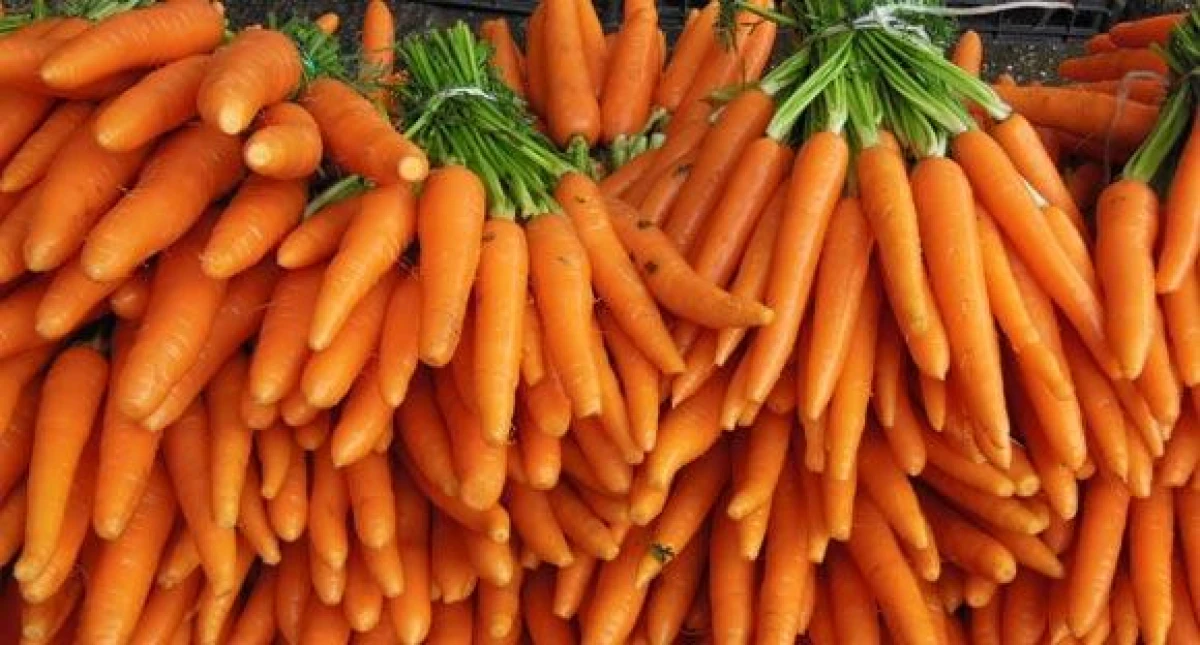
Carrots are an undemanding crop, perfectly suited for rotation with cucumbers in the same area. However, they require a lot of light, preferring sunny spots for growth.
Greens
Cucumbers are excellent predecessors for greens: coriander, parsley, dill, leaf lettuce, basil, and others. The quick germination of greens allows for planting them immediately after harvesting cucumbers or early in the spring when the snow has not yet melted from the beds.
Greens positively affect soil structure and enrich it with nitrogen.
There are many options for subsequent crops after cucumbers. Every gardener can choose a suitable crop for rotation and improve the soil.