

Many gardeners ignore flower fertilization or make mistakes. However, without fertilizers, achieving good blooming is difficult.
Let's figure out what to feed the flower bed.
When to Apply Fertilizers
Perennial plants require fertilizers for normal growth. If they grow in the same place for a long time, they consume the same trace elements. The soil loses some of its minerals and properties due to meltwater.
Applying fertilizers becomes a necessity if you want to achieve lush decorative plants. Fertilization is sufficient to perform once in spring. It is important to choose the right fertilizers.
What Elements Are Necessary for Flowers to Develop
For normal development, the flower bed should be fertilized with the following macronutrients:
Nitrogen. It promotes the formation of vegetative organs, which is important for young plants and during the flowering period.
Phosphorus. It improves the development of the root system and is responsible for the transportation of nutrients. Without phosphorus, many plants cannot develop properly.
Potassium. An auxiliary element that helps absorb nitrogen, strengthens plants, and improves protein metabolism.
Magnesium. It affects enzymatic processes and accelerates nitrogen absorption, especially important during the plant formation period.
When choosing fertilizers, pay attention to the composition. Many prefer universal fertilizers. In specialized stores, you can find fertilizers designed for flower beds, which are easier to use.
How to Apply Fertilizers
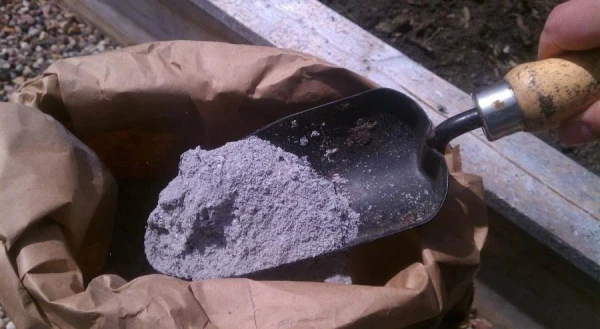
Experienced gardeners often start with folk methods. For example, many apply wood ash followed by phosphorus-potassium fertilizers.
This is not a mistake, but it is important to calculate the proportions and timing of application correctly.
Each flower has its own characteristics. There is no point in spending time on individual fertilization of each plant. Therefore, universal fertilizers can be used. The selection is vast, and it makes no sense to mention specific names.
Before application, carefully read the instructions. Many gardeners apply fertilizers “by eye,” which can lead to mistakes. Adhering to proportions and correctness of application matters.
For example, some fertilizers need to be diluted with water, while others are applied directly to the soil. It is not worth experimenting, as experts provide detailed application instructions on the packaging.










Leave a comment