

Although chemical repellents and poisons for insects and rodents act quickly, they can pose a danger to you and your pets. There are many alternative, safe, and natural ways to protect yourself that are just as effective as their synthetic counterparts.
With the arrival of warm weather, we have to coexist with insects. In the summer, they feel especially comfortable, munching on the juicy leaves of plants and our food. Some of them (you probably know who we are talking about) can sting, bite, and even drink our blood, while others destroy fruits and flowers, causing damage to the harvest. There are many ways to combat them, and it is not necessary to immediately resort to aggressive chemicals. We offer you the most effective methods of natural protection and treatment for your home and garden.
Water and Garden Hose
This method really works. If you don't have time to fight aphids, simply wash the insects off the branches of roses or currant bushes using a garden hose. You may need to repeat the procedure in a few days, but this method will significantly reduce the number of pests, and the aphids that were washed to the ground will not be able to reach the rose buds and young shoots.
Flowers for Protection
Your garden can become less attractive to various insects such as mosquitoes, ticks, grasshoppers, aphids, and leaf beetles if you plant certain plants in flower beds and between rows. Many pests cannot stand the smell of these flowers. The leader on this list is marigolds, but petunias, geraniums, chrysanthemums, pyrethrum, lavender, and calendula can also help in the fight against pests. Don't believe that simple flowers can repel insects? You shouldn't, as pyrethrins—compounds found in chrysanthemums—are the active ingredient in many ready-made insect repellents.
Herbs for Repelling
Grow peppermint, basil, sage, rosemary, lavender, green onions, or dill. Plant them in beds and containers, place them on windowsills and balconies, and insects will avoid your home.
For example, flies cannot stand the smell of basil. To repel them, place a cup of basil on the windowsill and a pot or container at the entrance to your home. Catnip or cat mint repels mosquitoes even more effectively than DEET (N,N-diethyl-meta-toluamide). Catnip essential oil can be applied to the skin and will protect against mosquitoes for several hours.
By the way, did you know that spiders dislike citrus? If you mix lemon or lime juice with water in a spray bottle and treat countertops, baseboards, and doorways with this solution, spiders will not spin webs in the corners of rooms. And if you scatter lemon or orange peels in the garden, they will leave the beds as well.
Vinegar Against Ants
If you notice that ants have made a trail on your countertop or kitchen table, prepare a solution of vinegar and water by mixing them in equal proportions, and wipe the surfaces where you noticed the ants. Repeat the procedure several times a day, and the ants will forget the way into your home. The fact is that vinegar destroys the scent of the ant trails that the insects use for navigation.
Diatomaceous Earth
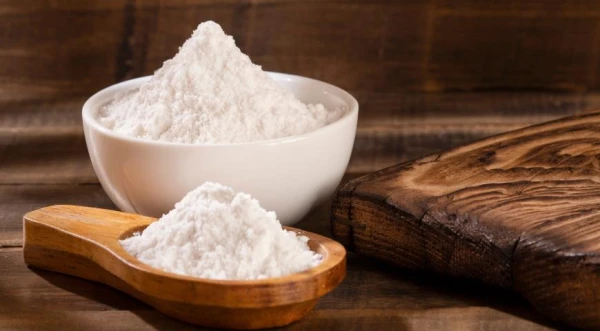
This amazing substance is an organic pesticide approved for organic farming, which has long been used by some farmers and pest control specialists. It is truly a unique natural product made from fossilized algae that absorbs lipids from the exoskeleton of insects, causing them to dehydrate. You can sprinkle the powder around plants or dust the foliage, just do not apply it to the flowers to avoid harming pollinating insects (bees). Diatomaceous earth is effective against all insect pests (mites, bedbugs, fleas, aphids, thrips, ants, cockroaches, slugs, snails, and others). It washes away easily, so reapplication will be needed after rain.
Homemade Fly Trap
To create a trap for flies and other flying insects, take craft paper or a large paper bag, cut it into strips, make a hole, and insert a string to hang the trap. Then simply coat the strips of paper with sweet syrup: maple or any other, and for greater effect, sprinkle sugar on the strip. Hang the homemade traps in the kitchen or on the porch, in the places where you usually place them.
Fake Wasp Nest
Wasps strictly adhere to their territorial laws and will never occupy the place of their relatives. They build nests no closer than 20 meters apart, and if you hang a fake nest in front of or behind your house, it will act as a scarecrow, and wasps will not appear on your property. Destroying a nest is a job best left to professionals, so it is better to protect your home in advance.
Beer Bait for Slugs
Slugs are slow, slimy, and so insatiable that they can destroy or severely damage plants in just a few days. To deal with garden slugs, open a can of cold beer, bury several small plastic cups or yogurt containers in the ground around the plants, and pour a little drink into them. Snails and slugs love beer, so the cup will definitely attract their attention, and once they get in, they will simply drown.









Leave a comment