
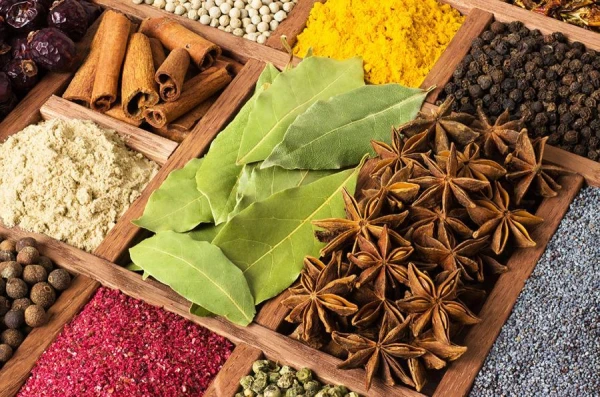
If you think that the choice between cilantro and coriander is a simple task, unfortunately, it is not. These terms refer to different parts of the same plant. Let's consider the main pairs of herbs and spices that often cause confusion: thyme and thymus, zira and cumin, cilantro and coriander, tarragon and estragon.
Cumin and Zira
Without these aromatic seeds, it is impossible to imagine a true Eastern pilaf — they give this dish its unique nutty aroma. In Europe, this spice is known as cumin, while in Central Asian countries such as Uzbekistan and Tajikistan, it is called "zira." This is because the Latin name of this annual or biennial herbaceous plant is cuminum. Therefore, since the times of the ancient Greeks and Romans in the Mediterranean, these seeds have been referred to as cumin. The word jeera, which has ancient Indian origins, explains why in the East and Asia the spice is called zira.
Interestingly, this plant belongs to the Apiaceae family and the Cuminum genus. Due to the similarity in name and appearance of the seeds, cumin is often confused with caraway. However, caraway has become more popular over time in European countries, while cumin or zira is actively used worldwide: in Mexico, the spice is added to chili con carne, in Morocco and Algeria, it is used to season Maghreb couscous, and in India, zira is an important part of the spice mix garam masala.
Coriander and Cilantro
These culinary relatives represent different parts of the same plant — coriander. Its name comes from the ancient Greek word for "bedbug," as in its unripe form it supposedly emits a smell reminiscent of bedbugs — the plant is sometimes called "bedbug herb." While the fruits of coriander, familiar to many by the characteristic aroma of Borodinsky bread, are easily identifiable (the spice bears the name of the plant), what is cilantro? In Georgia, the fresh greens of coriander are called cilantro, likely from where this name came to us. Although the fruits of coriander and cilantro are the same plant, they have completely different taste and aromatic properties, as well as culinary applications. Cilantro is added to salads, soups, and rich meat dishes, while coriander is used in baking, preserves, and marinades, and is also included in various spice blends — from khmeli-suneli to curry.
Tarragon and Estragon
Tarragon is not only estragon but also wormwood! Confused? Estragon wormwood is the most well-known culinary species of wormwood, famous for its spicy aftertaste that tickles the tongue. In Latin, the plant is called Artemísia dracúnculus (from artemes — "healthy"). It is suggested that the traditional French name for the herb estragon originated from the Latin draco ("snake" or "dragon"). The word "tarragon" has ancient Greek roots. The first leaves of this perennial plant have long been used as a spice in various corners of the world — from North America to India. In our culture, tarragon is known as a Caucasian herb, from which, in particular, the "Tarkhuna" lemonade is made. Due to its high content of bitter glycosides, which stimulate the gastrointestinal tract and bile production, fresh tarragon aids in digesting heavy foods, making it an excellent complement to rich meat dishes.
Thyme and Thymus
Fimiam was what the ancient Greeks called the incense used to smoke temples. A similar name, derived from the Greek thymos ("courage"), was given to the plant with a delicate aroma. Interestingly, it is also referred to as the "Mother of God’s herb". There are about 200 species of thyme, but usually, only two are called thymus: early thyme (wild thyme) and creeping thyme (common thyme). Dried thyme leaves are actively used in cooking and are an important part of the complex spice blend "Herbes de Provence."










Leave a comment