What methods can help increase or, if necessary, decrease soil temperature?
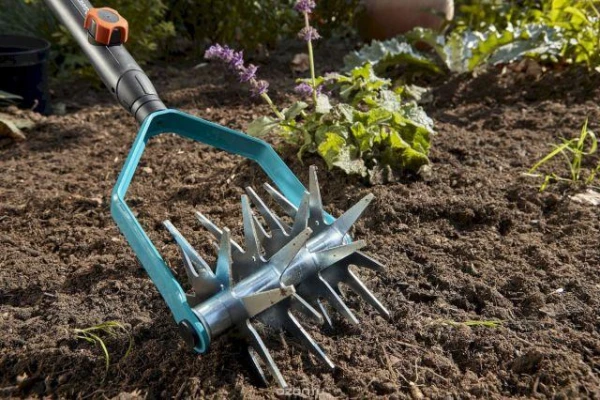
Soil cultivation has a significant impact on its temperature indicators. Loosening moist soil helps to lower the temperature, while compaction can raise it by 1–4 degrees. Loose soil warms up faster during the day but also cools down more quickly at night. When sowing small seeds in spring, it is beneficial to slightly compact the soil. However, if rapid seed germination is required, it is recommended to loosen the soil between the rows of plants on a clear sunny day.
In dark-colored soils, seeds germinate faster. Therefore, light soils in spring, after sowing heat-loving plants, should be mulched with charcoal dust, soot, finely grained dark slag, or dark humus soil (compost). A thin layer (1–5 mm) of dark material can raise the temperature of the topsoil by 5–10 degrees, significantly bringing it closer to optimal conditions for seed germination.
Ridge formation and bed shaping also significantly increase soil temperature. Heat-loving vegetables planted on hills and ridges (especially in moist clay soils in colder regions) grow faster and yield higher. For cucumbers, for example, the ridges should be 0.3 m wide and 0.2 m high. It is best to form them over a layer of manure or compost 0.05–0.1 m thick, covering it with soil from the inter-row spaces, which should be 0.5–0.8 m wide. An effective solution is to cover the beds and ridges with black polyethylene film, as well as to create a favorable microclimate for cucumbers by planting shelter plants along the edges of the bed.