If possible, collect and destroy old strawberry leaves, as harmful organisms may inhabit them.
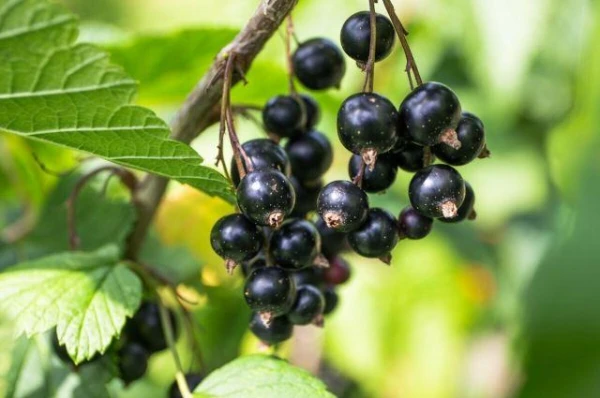
Check the berry bushes. Remove all old, broken, diseased, and dying branches. Pay special attention to the buds of currants: suspiciously swollen ones should be removed.
Before the buds open, you can give currants hot baths if there have been signs of powdery mildew on the shoots. Pour boiling water over the bushes (temperature no lower than 80℃). This will not harm the bark and wood, but the spores of powdery mildew will die. By the way, hot baths are also effective against aphids.
In early spring, if there is no snow, you can cover the root circles under the currant bushes with old straw, roofing felt, or pieces of used film. Adult individuals of the currant borer, sawflies, and gall midges, emerging from the soil, will find themselves under a “cap” and will die. This way, you can also get rid of other pests that winter in the soil.
During the swelling and opening of the buds early in the morning, when the air temperature is below 10℃, spread burlap or film under the plants and shake off the sluggish apple blossom weevils, bud weevils, click beetles, geese, and cherry weevils onto them. Collect them in a bucket of water with added kerosene, otherwise, they may warm up and fly away.
Apple blossom weevils and other weevils can also be caught early in spring when they are crawling onto the tree. Set up sticky traps at the base of the trunk.