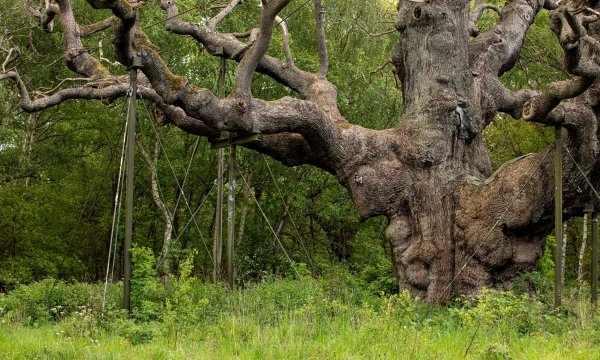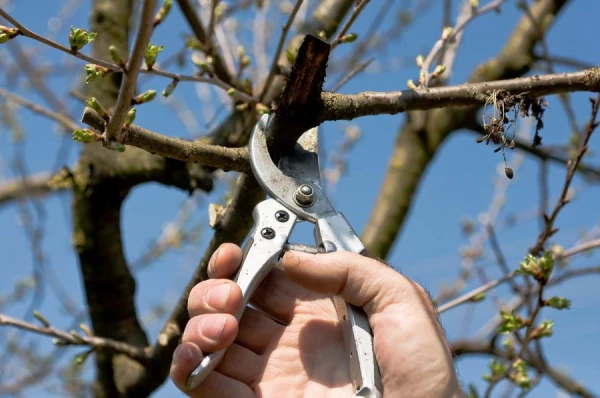
A fruit tree is a perennial plant. Throughout its life, it is necessary to repeatedly use pruning shears and a saw.
To avoid mistakes, it is important to monitor how the tree responds to pruning: whether its reaction aligns with the expected results or if there are deviations. Based on this, one should adjust their actions.
With proper pruning, the direction and intensity of branch growth, their connection to the central leader or to lower-order branches, as well as the wood covering should correspond to the planned outcomes. When pruning techniques are followed, wounds on the tree heal quickly and recover.
If pruning is done incorrectly, problems such as branch dieback, slowed growth, or death of the central leader and major branches, excessive thickening or, conversely, thinning of the crown, as well as cracks at sharp forks and other defects may arise. It is important to notice all of this, as negative experiences are remembered for a long time.