
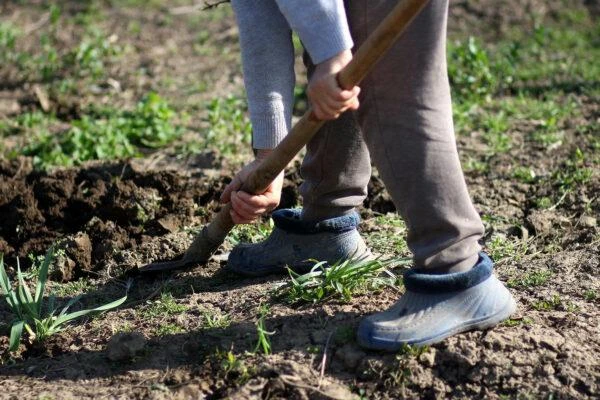
A blooming garden pleases the eye, but it is also a risky period: during this time, many diseases can affect fruit crops, remaining unnoticed until the last moment.
1. Moniliosis
This disease affects only stone fruits — cherries, plums, and sweet cherries. Immediately after flowering, the leaves at the ends of the shoots begin to wilt and turn brown, and the tips of the branches dry out. This disease significantly reduces yield, the berries become smaller, and their taste deteriorates. The winter hardiness of the tree also decreases. In severe cases, the tree may die. For prevention, it is recommended to treat the trees with special preparations twice: during the green cone phase and the pink bud phase.
2. Coccomycosis
This infection also affects only stone fruits and is more dangerous than moniliosis: coccomycosis can lead to the death of the tree, especially if the variety is not resistant to this disease. The disease “settles” on the plants in May, and by mid-June, reddish-brown spots appear on the leaves, which then merge, the leaves dry out and fall off, and the fruits become smaller and also dry out.
The tree may shed its leaves as early as July, which significantly reduces its winter hardiness, and it may freeze even in not too frosty winters.
Treat the affected trees with Bordeaux liquid or modern preparations three times during the season: immediately after flowering, two weeks after flowering, and after harvest.
3. Gummosis
This disease occurs only in stone fruits, and sometimes its cause is frost cracks. It manifests in May. Cracks of various sizes appear on the bark, from which a thick brownish-transparent liquid resembling glue or gel oozes out. Gum is the result of the transformation of wood cells when affected by a fungus. The fungus penetrates the damaged areas of the bark, so all wounds must be promptly sealed.
Remove the damaged areas and treat them with a copper sulfate solution (10 g per liter of water). Then rub the area well with leaves or sorrel juice. It is advisable to always have sorrel on hand, freeze it, and use it as needed (the fungus causing gummosis cannot tolerate oxalic acid). After that, seal the wound with a garden balm based on coniferous resin. There are also some preparations designed for preventive treatment against gummosis.
4. Pear Rust
Orange spots or speckles on pear leaves indicate rust, a dangerous fungal disease. It usually manifests in late May to early June, but the first signs may be minor. If the disease is neglected, it will lead to premature leaf drop and lack of harvest. The frost resistance of the pear significantly decreases, and the tree may freeze even in slight frosts. The fungus is aggressive and has an intermediate host — juniper, which grows within a radius of 100 meters from the pear.
For rust prevention, carry out treatments before and after flowering. Modern means, as well as preparations containing sulfur and copper, will help in treatment.








Leave a comment