
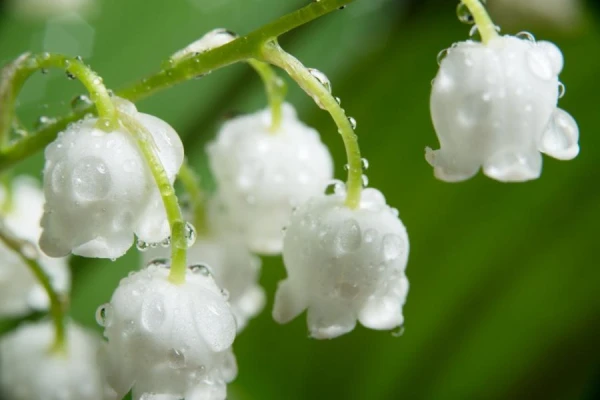
A one-year-old girl was poisoned by lily of the valley flowers — she ate five flowers and was hospitalized in serious condition. However, lily of the valley is not the only plant that poses a threat to humans. Many gardeners are unaware of the dangers lurking in their flowerbeds. Together with an expert, we aim to fill this knowledge gap.
Comments by agronomist Elena Gorbunova:
— Besides lily of the valley, all parts of which are poisonous, foxglove is equally dangerous. Its leaves, stems, roots, and flowers contain digoxin. Consuming or even chewing a foxglove flower can lead to a heart attack with fatal consequences.
Flowers and leaves of the already faded crocus and the yet-to-bloom colchicum have a similar effect — keep this in mind.
The seeds of the widely spread castor bean plant among gardeners are poisonous. Just 2-3 seeds, accidentally swallowed, can cause severe poisoning due to the protein ricin contained in the seeds.
At first glance, the charming aquilegia hides danger in its flowers and leaves. The poison contained in them can paralyze the respiratory system.
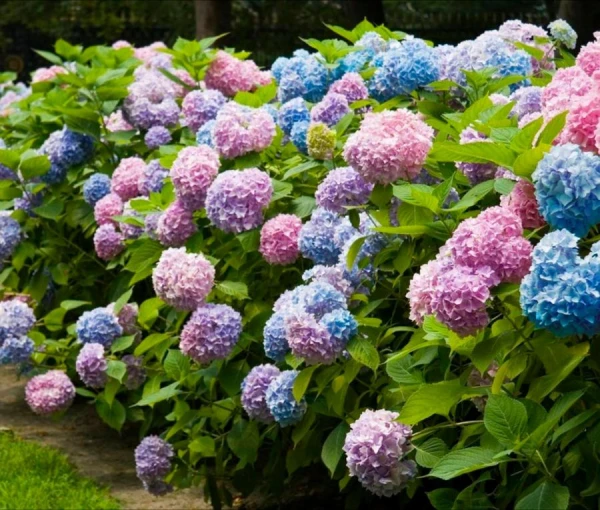
In the well-known hydrangea, all parts of the plant are toxic, especially the flowers. And in the broad-leaved calmia, even the pollen is toxic.
Particular caution should be exercised with rhododendron, belladonna, comfrey, and in southern regions — with oleander.
Equally popular among gardeners, delphiniums and clematis also require attention. Although they will not lead to death, their sap (from leaves or stems) can cause serious chemical burns. The sap of buttercup, marsh marigold, garden false solomon's seal, and white dead-nettle is also harmful to the skin.
It is strongly recommended to avoid growing all the listed plants on your property if there are children aged 0 to 8 years in your family.







Leave a comment