Everyday actions that are considered eco-friendly do not always truly help nature. Sometimes they turn out to be ineffective, and in some cases, they even increase the burden on the environment. The publication TechInsider highlighted five common mistakes that people make regularly.
The first one is related to food choices. Often, the focus is on the distance food travels, but the key role is played not by the delivery route, but by the product itself and the methods of its production. Reducing meat and dairy consumption has a significantly greater effect on the climate than buying local vegetables. Moreover, imported goods often turn out to be less harmful to the environment than those produced nearby.
The second mistake is buying items labeled "eco." Reusable products can indeed be beneficial, but only with long-term and active use. Additionally, green packaging and corresponding labels often create an illusion of eco-friendliness without any real basis.
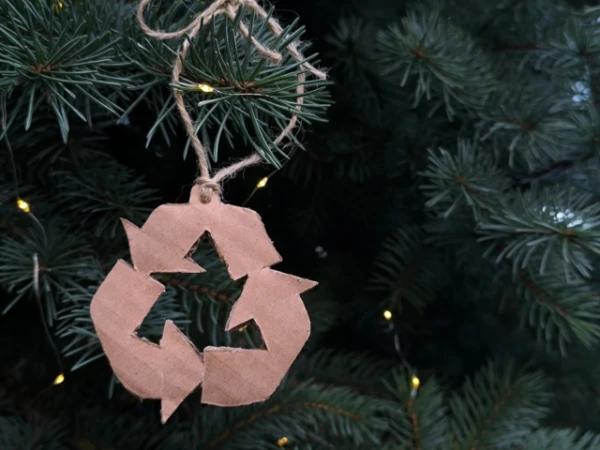
The third problem is wishcycling, which means the tendency to recycle absolutely everything. Dirty or initially non-recyclable packaging can lead to an entire batch of waste being sent to a landfill. The use of biodegradable packaging also does not always solve this issue.
The fourth mistake concerns tree planting. In some regions, such as Arctic areas, the emergence of new forests disrupts the carbon balance of the soil and exacerbates warming. In cities, dense greenery with poor ventilation can trap heat, especially at night.
The fifth problem is related to the scale of impact. Personal efforts are important, but the majority of emissions come from large companies. Therefore, in addition to reducing one's own harm, it is necessary to strive for systemic changes around oneself.