Well-cared-for plants can please the eye, but this requires time and attention. Not everyone has the opportunity to tend to flowers, so we present the most undemanding plants that are suitable even for those who often leave home.
These plants will bring you joy for a long time and will not require significant care efforts.
Cacti
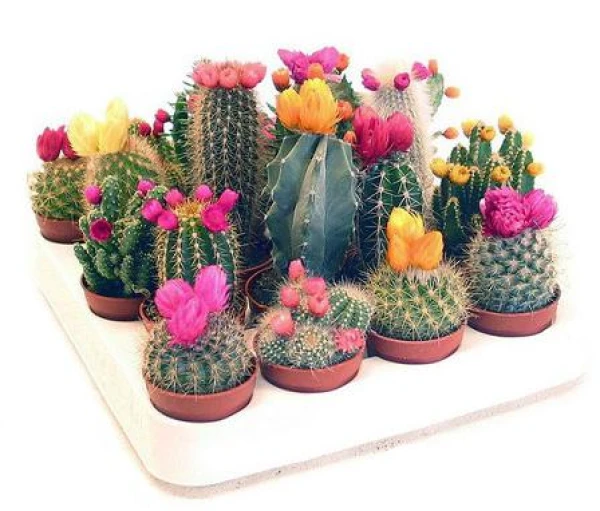
Probably the most popular plant among those who do not like to spend a lot of time on care. Cacti need to be watered approximately every 10-14 days at room temperature, and in hot weather — every 5-7 days. Try to direct the water to the roots, avoiding contact with the stem. In cold weather, watering can be significantly reduced, and in winter, cacti can be left unwatered altogether.
Aloe
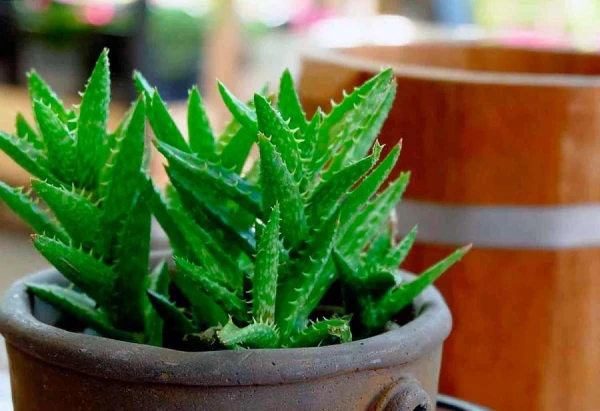
The thick leaves of this plant can accumulate a significant amount of moisture, like other succulents, allowing them to go for long periods without watering. Aloe has healing properties, does not require misting or frequent watering. In summer, it is watered once a week, and in winter — once a month. It is repotted approximately every three years. This plant prefers a dry climate but should be kept out of direct sunlight.
Kalanchoe
A decorative and medicinal plant that can adapt to various conditions. It does not tolerate excessive moisture, so it does not need frequent watering or misting. Kalanchoe loves light, but it is not recommended to place it in direct sunlight.
Sansevieria
Another succulent that is not afraid of heat, cold, or drafts. This plant does not require frequent watering. Recently, it has become popular to plant sansevieria in long narrow containers, creating the effect of a “living hedge.”
Rubber Plant
Unlike its relative, the Benjamin fig, the rubber plant is undemanding in care. It is best to place the plant near a window, as it prefers good lighting, but not on the windowsill — direct sunlight can harm it. Water the rubber plant as the top layer of soil dries out completely: in winter, once a week is sufficient, and in summer — twice.